China travel destinations
Practical, up-to-date travel guides for the destinations foreign visitors ask about most. Each guide covers visas, transport, what to see, and what it costs — updated weekly.
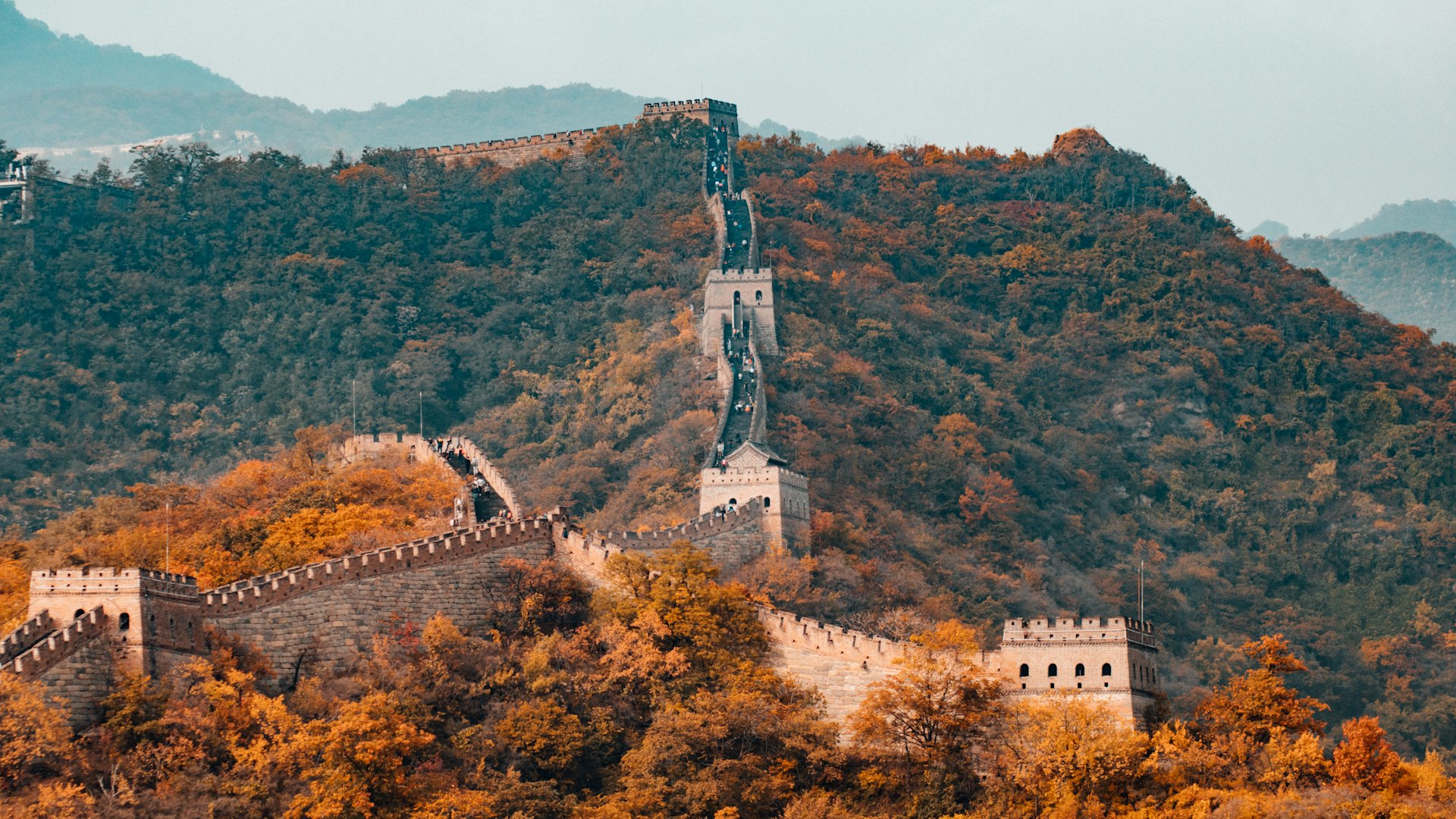
Beijing
China's 3,000-year-old capital. The Forbidden City, the Great Wall, and the hutongs that make Beijing feel like a village of 20 million.
- Best time
- April–May, September–October (avoid Golden Week in early October)
- Daily budget
- $60–$400 USD
Read guide →

Chengdu
The relaxed capital of Sichuan — home of the giant panda, the world's most celebrated spicy cuisine, ancient teahouse culture, and the gateway to western China and Tibet.
- Best time
- March–June and September–November. Summers (July–August) are hot and humid; winters are mild and grey.
- Daily budget
- $60–$400 USD
Read guide →
Chongqing
Chongqing is a sprawling megalopolis of 31 million people perched at the confluence of the Yangtze and Jialing rivers in southwest China. Famous for its spicy Sichuan-style hotpot, futuristic skyline layered over steep hills, monorails threading through residential towers, and the 2,000-year-old wartime capital legacy, Chongqing rewards travellers who like their cities vertical, steamy, and unapologetically intense.
- Best time
- October to December (mild, low rain) and March to May (cherry blossoms, comfortable temperatures)
- Daily budget
- $40–$320 USD
Read guide →
Dalian
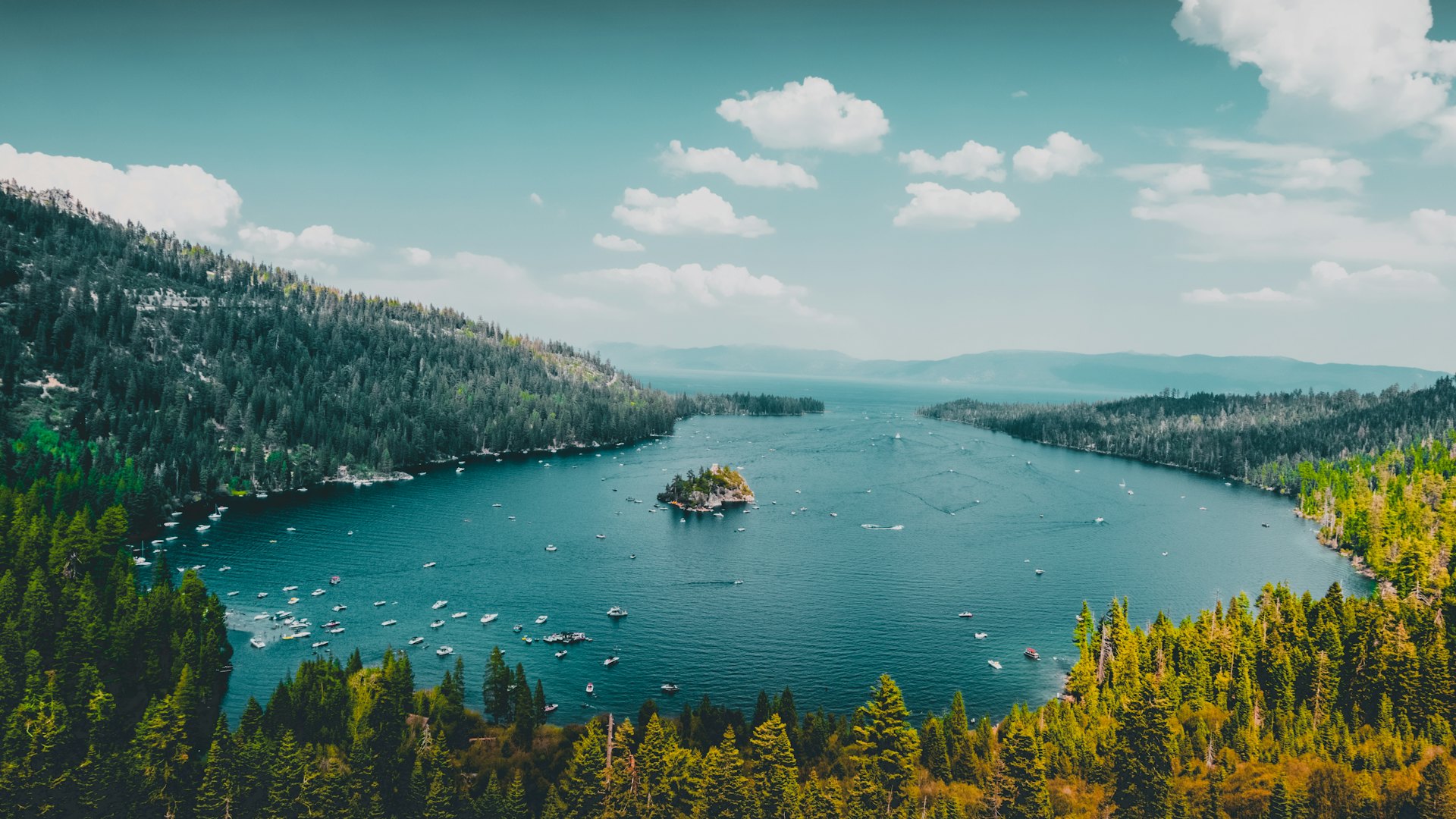
Dalian is a port city on the Liaodong Peninsula in northeast China, famous for its Russian and European colonial architecture, the massive Xinghai Square, the scenic Bangchui Island, the Jinshitan beach resort, the Lushun naval port, fresh Yellow Sea seafood, the annual Dalian International Fashion Festival, its role as a major international shipping hub, its reputation as one of China's most livable and walkable coastal cities, and its unique blend of Russian, Japanese, and Chinese cultural influences that create a distinctive urban character unlike any other city in China.
- Best time
- May-June for the cherry blossoms and azaleas; August-September for the Dalian International Fashion Festival and the beach season; avoid late January to mid-February (Spring Festival) and early October (Golden Week)
- Daily budget
- $250–$2500 USD
Read guide →
Datong
Ancient Northern Wei capital. The Yungang Grottoes' 51,000 Buddhist statues, the Hanging Temple, and one of the world's largest volcanic landscapes.
- Best time
- April-May and September-October (winter is cold but uncrowded)
- Daily budget
- $40–$250 USD
Read guide →

Dunhuang
Silk Road oasis. The Mogao Caves with 2,000+ Buddhist paintings, the singing sand dunes of Mingsha, and the Crescent Moon Spring.
- Best time
- April-June and September-October; avoid summer heat and winter cold
- Daily budget
- $50–$320 USD
Read guide →
Mount Emei and Leshan Giant Buddha
A UNESCO dual listing: Sichuan's holiest Buddhist mountain with golden sunrise, and the 71-meter Tang-dynasty carved Buddha at its base.
- Best time
- April–May, September–November; winter has snow at summit and clearest sunrises
- Daily budget
- $80–$450 USD
Read guide →
Fuzhou
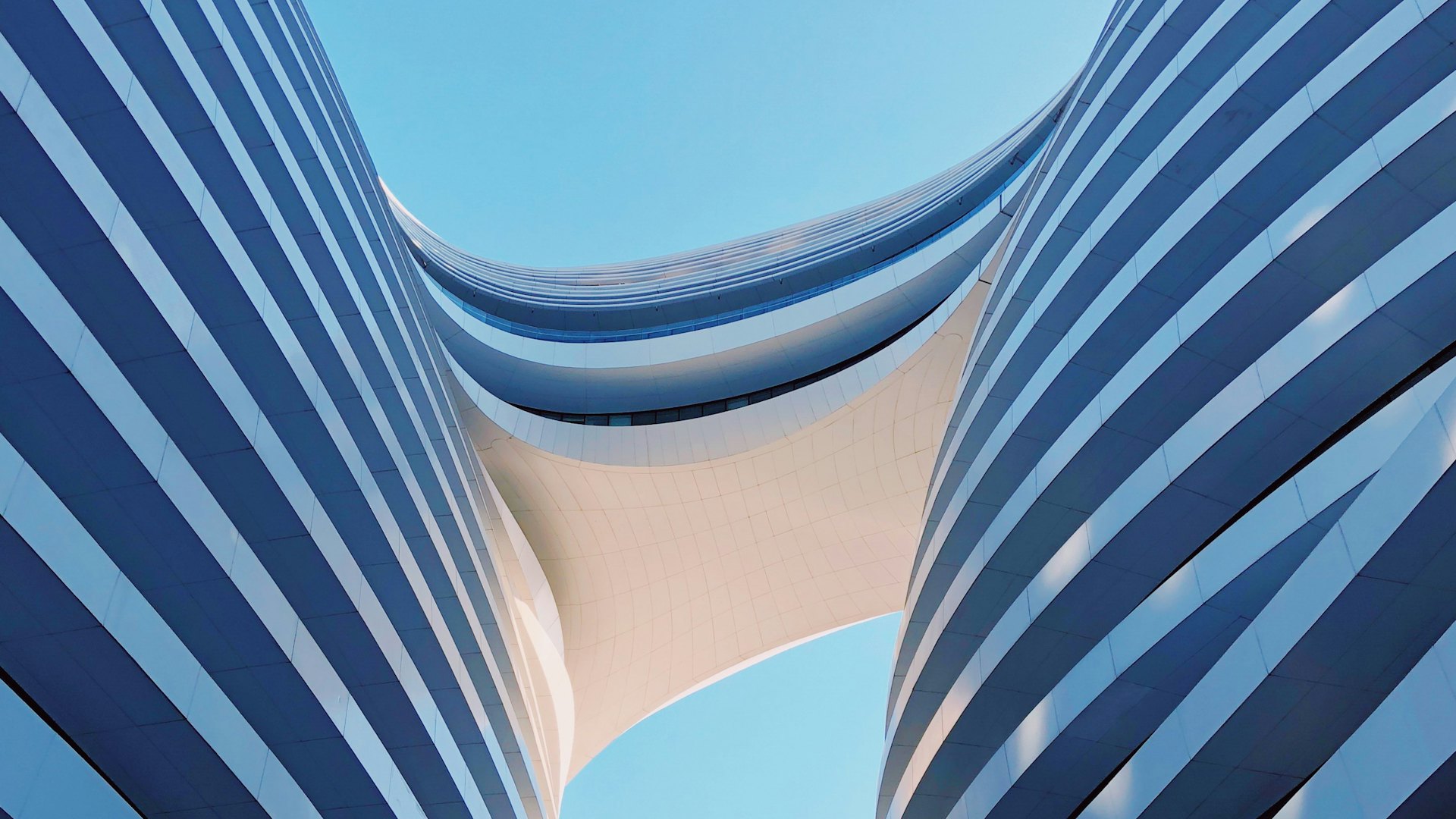
Capital of Fujian Province on China's southeast coast, a 2,200-year-old port city and the historic gateway to the Fujian tulou earth buildings of Yongding and Nanjing. Fuzhou is a leafy, subtropical city with deep Min-nan and Min-dong cultural roots, a famous lacquerware tradition, and a slower pace than the eastern megacities.
- Best time
- October to May; spring and autumn for mild weather
- Daily budget
- $30–$220 USD
Read guide →
Guangzhou
The 2,200-year-old southern gateway of China — the birthplace of Cantonese cuisine, the eternal port of the Maritime Silk Road, and the boom-city heart of the Pearl River Delta.
- Best time
- October–December (cool, dry, clear). Avoid the hot humid summer and the April–June rains.
- Daily budget
- $60–$400 USD
Read guide →
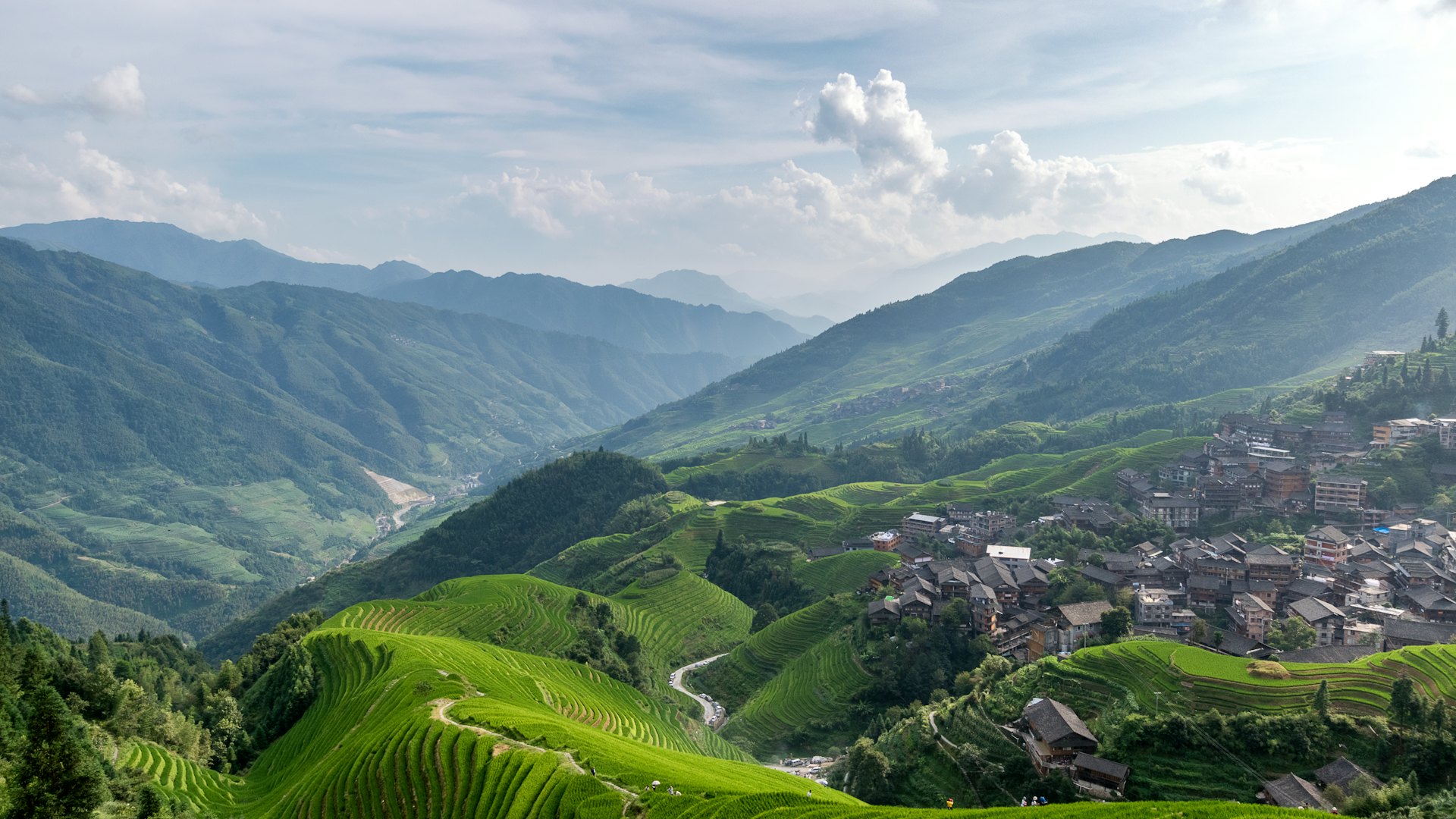
Guilin and Yangshuo
China's most iconic landscape — karst peaks rising from a jade river. The Li River cruise from Guilin to Yangshuo is the single most photogenic boat trip in Asia, immortalized on the ¥20 banknote.
- Best time
- April–May and September–October (avoid July–August heat and Golden Week crowds)
- Daily budget
- $50–$350 USD
Read guide →
Guiyang
Capital of Guizhou Province, a high-altitude city in southwest China famed as the country's 'summer capital' for its cool climate, and the gateway to the dramatic karst landscapes of Huangguoshu Waterfall, the Miao and Buyi ethnic villages, and the world's largest contiguous karst region.
- Best time
- May to October; July-August for the cool summer climate
- Daily budget
- $30–$230 USD
Read guide →
Harbin
China's Ice City and Russian-built northern capital. A frozen fantasy of illuminated ice palaces in January, Russian Baroque cathedrals, dumplings that warm you from the inside, and the coldest winters on the China travel map.
- Best time
- December 20 – February 20 (Ice Festival), or June – August (mild summer)
- Daily budget
- $55–$380 USD
Read guide →
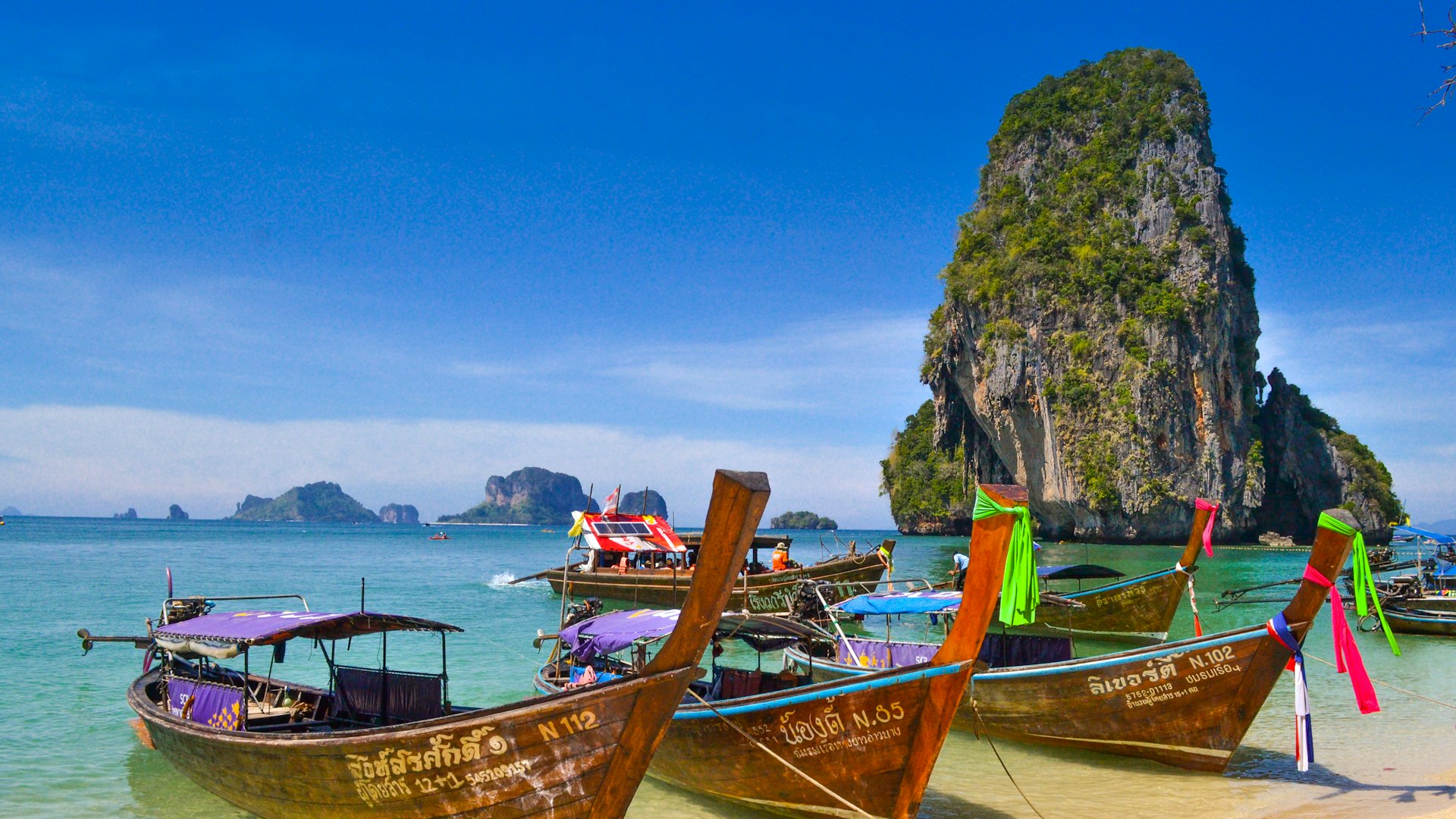
Haikou
Capital of Hainan Province on the tropical north coast of China's only island province, with a balmy year-round climate, white-sand beaches, volcanic crater parks, and easy access to the Sanya resort region to the south. Haikou is the more authentic, less-crowded alternative to Sanya for travelers who want a real Chinese tropical city rather than a resort enclave.
- Best time
- November to April; avoid June-October typhoon season
- Daily budget
- $30–$280 USD
Read guide →
Hainan
China's only tropical province. Sanya on the south coast has year-round 25-28°C water, 5-star beach resorts, and visa-free entry for 38+ countries.
- Best time
- November-April (dry, less humid); year-round for water temp 22-28°C
- Daily budget
- $70–$400 USD
Read guide →
Hangzhou
Hangzhou is the capital of Zhejiang Province and one of Chinas most celebrated cities, home to the UNESCO-listed West Lake, the Lingyin Buddhist Temple, the Longjing tea terraces, the Grand Canal, the Alibaba headquarters, the Leifeng Pagoda, and the historic Hefang Old Street, all within 60 minutes of Shanghai by high-speed rail. The city has been a center of Chinese culture, silk production, and tea cultivation for over 2,000 years, and today blends ancient temples and tea villages with one of the worlds most advanced technology ecosystems.
- Best time
- March-May for the spring blossoms along Su Causeway and the Longjing tea harvest; September-November for autumn foliage and the Mid-Autumn moon over West Lake; avoid the first week of October (Golden Week) and the late-September Mid-Autumn Festival
- Daily budget
- $300–$3500 USD
Read guide →
Hong Kong
A vertical city of skyscrapers, neon street markets, Michelin-starred dim sum, and 263 islands — Asia's most English-friendly metropolis and the easiest gateway into mainland China.
- Best time
- October–December (cool, dry, clear); March–April (warm, pleasant). Avoid June–August humidity.
- Daily budget
- $70–$550 USD
Read guide →
Huangshan (Yellow Mountain)
UNESCO World Heritage granite peaks. Sea of clouds, hot springs, and the pine trees that have inspired Chinese landscape painting for 1,000 years.
- Best time
- April-May and September-November for the best cloud views
- Daily budget
- $50–$350 USD
Read guide →
Kaifeng
Capital of the Song dynasty. The Millennium City Park recreates Song-era China, with night markets that have run for 1,000+ years.
- Best time
- April-May and September-October; lantern festival in February is special
- Daily budget
- $40–$220 USD
Read guide →
Kashgar
China's westernmost city. The ancient Sunday Bazaar, the Id Kah Mosque, and the heart of Uyghur culture on the Silk Road.
- Best time
- April-May and September-October; summer is hot (35°C+); winter is cold (-10°C)
- Daily budget
- $40–$250 USD
Read guide →
Lhasa
Tibet's capital and spiritual heart — the Potala Palace, Jokhang Temple, and the highest pilgrimage destination in the world at 3,650 metres.
- Best time
- April–June and September–October (clear skies, open roads). Avoid winter when mountain passes close.
- Daily budget
- $80–$550 USD
Read guide →
Luoyang
Capital of 13 dynasties. The Longmen Grottoes with 100,000+ Buddhist statues, the White Horse Temple, and the famous peony festival.
- Best time
- April for peonies and mild weather; September-October also good
- Daily budget
- $40–$250 USD
Read guide →
Macao
Where Portugal meets China. UNESCO historic center, 30+ casinos, and the world's only fusion of Cantonese and Portuguese cuisine.
- Best time
- October-December for the cooler dry season; avoid typhoon season (July-September)
- Daily budget
- $70–$500 USD
Read guide →
Nanjing
Six dynasties' capital. The Ming city wall, Sun Yat-sen's mausoleum, and the Confucius Temple — Nanjing is China's grandest historical city.
- Best time
- March-May and September-November; cherry blossoms in March-April
- Daily budget
- $50–$320 USD
Read guide →
Pingyao
China's best-preserved ancient walled city. A 2,700-year-old Ming-dynasty town with original city walls, courtyards, and the original Chinese banking headquarters.
- Best time
- April-May and September-October for weather; lantern festival in February is special
- Daily budget
- $40–$250 USD
Read guide →
Qingdao
Qingdao is a port city on the Shandong Peninsula famous for its German colonial old town, the Tsingtao Brewery (founded 1903 by German settlers), the sacred Taoist Laoshan mountain, the Eight Great Passes coastal scenery, sandy beaches, seafood restaurants, and the annual Qingdao International Beer Festival.
- Best time
- May-June and September-October for mild weather and the Tsingtao beer season; August for the Qingdao International Beer Festival (but expect crowds); avoid late January to mid-February (Spring Festival) and early October (Golden Week)
- Daily budget
- $250–$2500 USD
Read guide →
Quanzhou
UNESCO Maritime Silk Road city. The starting point of China's maritime trade, with Buddhist, Islamic, Hindu, and Christian temples within walking distance.
- Best time
- March-May and October-November; avoid summer typhoon season (July-September)
- Daily budget
- $40–$250 USD
Read guide →
Shanghai
China's financial capital and most cosmopolitan city — the Art Deco Bund, the sci-fi Pudong skyline, leafy French Concession cafes, and arguably the best food in China.
- Best time
- March–May and September–November. Avoid the July–September humidity and typhoon season.
- Daily budget
- $80–$550 USD
Read guide →
Shangri-La (Zhongdian) and the Tibetan Borderlands
A Tibetan town at 3,200m in northwest Yunnan — Songzanlin Monastery, alpine meadows, and the gateway to the Three Parallel Rivers UNESCO site.
- Best time
- May–June (meadow wildflowers) and September–October (clear skies for Meili); winter has snow but limited access to higher passes
- Daily budget
- $80–$480 USD
Read guide →
Shenyang
Capital of Liaoning Province in northeast China, the former imperial capital of the Manchu Qing dynasty (the Mukden Palace, UNESCO World Heritage site), and the industrial heart of the old Manchurian heavy-industry belt. Shenyang is a cold, hearty city with deep Manchu heritage, an emerging arts and music scene, and easy access to the DPRK border region and the Changbai Mountain nature reserve.
- Best time
- May to October; September-October for autumn colors; winter (Dec-Feb) for snow and ice festivals
- Daily budget
- $30–$220 USD
Read guide →
The Silk Road (Xi'an → Dunhuang → Kashgar)
The ancient overland route from central China through the desert to Central Asia. Xi'an, Dunhuang's Mogao Caves, Turpan's Uighur culture, and Kashgar's Sunday market.
- Best time
- April-May, September-October (summer is too hot, winter is too cold)
- Daily budget
- $90–$450 USD
Read guide →
Suzhou
Suzhou is a 2,500-year-old canal city east of Shanghai, celebrated for its UNESCO-listed Classical Gardens, Pingjiang Road waterway, silk heritage museums, Kunqu opera performances, and the Tongli and Zhouzhuang water towns, offering one of Chinas most refined cultural landscapes within an hour of Shanghai.
- Best time
- April-May for spring blossoms and the Silk Festival; September-October for autumn foliage and the Mid-Autumn moon over Pingjiang Road; avoid the first week of October (Golden Week) and the late-September Mid-Autumn Festival
- Daily budget
- $300–$3000 USD
Read guide →
Tianjin
Tianjin is a coastal municipality 30 minutes from Beijing by high-speed rail, famous for its 19th-century European concession architecture along the Hai River, the iconic Tianjin Eye Ferris wheel, distinctive breakfast street food like jianbing and guoba, the futuristic Binhai Library, and a layered culinary culture that fuses northern Chinese staples with cosmopolitan flavors.
- Best time
- April-May and September-October (avoid early October Golden Week and the late-January to mid-February Spring Festival travel rush)
- Daily budget
- $250–$2500 USD
Read guide →
Tibet (Lhasa and the Plateau)
The highest region on Earth — average elevation 4,500m. Lhasa's Potala Palace, Jokhang Temple, and Tibetan Buddhism. Requires permits and acclimatization.
- Best time
- May-October only (winter is too cold + permits restricted)
- Daily budget
- $100–$600 USD
Read guide →
Turpan
China's hottest and driest place. The Flaming Mountains, underground karez irrigation, and the Uyghur Silk Road oasis culture.
- Best time
- April-May and September-October; summer is brutally hot (45°C+)
- Daily budget
- $40–$250 USD
Read guide →
Wuhan
Hubei's capital where the Yangtze meets the Han River. The Yellow Crane Tower, the spicy hot dry noodles, and 100+ universities make it central China's most dynamic city.
- Best time
- March-May and September-November; avoid July-August (extreme heat)
- Daily budget
- $45–$280 USD
Read guide →
Wulong
The Three Natural Bridges used in 'Transformers: Age of Extinction.' A UNESCO karst landscape with sinkholes, gorges, and a stunning 1,200-year-old Tibetan village.
- Best time
- April-June and September-October; avoid summer holiday crowds
- Daily budget
- $50–$320 USD
Read guide →
Wuyishan: Tea Mountains and River Rafting
UNESCO-listed tea country in northern Fujian — bamboo raft down the Nine-Bend Creek, rock-essence oolong tea, and Danxia cliff landscapes.
- Best time
- April–May, September–November; summer is hot; winter is misty but beautiful
- Daily budget
- $70–$420 USD
Read guide →
Wuyuan
China's most beautiful countryside. 4,500+ Ming-Qing villages with white-walled, black-tiled Huizhou architecture, surrounded by canola flower fields in spring.
- Best time
- March-April (canola flowers) and October-November (autumn foliage)
- Daily budget
- $40–$250 USD
Read guide →
Wuzhen Water Town
A 1,300-year-old canal town in Zhejiang — stone bridges, whitewashed houses, and a slower pace that anchors most Jiangnan itineraries.
- Best time
- April–May, September–November; summer is hot and crowded
- Daily budget
- $70–$500 USD
Read guide →
Xiamen and Gulangyu Island
Fujian's coastal gem — a leafy seaside city with the car-free Gulangyu island, seafood cuisine, and a more relaxed pace than mainland metropolises.
- Best time
- October–April (cool, dry; avoid July–September typhoon season)
- Daily budget
- $60–$380 USD
Read guide →
Xi'an
China's 3,100-year-old imperial capital — the Terracotta Army, the best-preserved city wall in China, and the eastern terminus of the Silk Road, layered with the Tang dynasty's golden age.
- Best time
- March–May and September–November. Summers (July–August) are hot; winters are cold but dry.
- Daily budget
- $55–$380 USD
Read guide →
Yinchuan
Capital of Ningxia Hui Autonomous Region on the Yellow River, gateway to the Western Xia imperial tombs, Helan Mountain rock art, and one of China's most distinctive Hui Muslim cultures. Yinchuan blends desert-oasis agriculture, Silk Road heritage, and a quieter pace than the eastern coastal megacities.
- Best time
- May to October; September for clear skies and the Helan Mountain grape harvest
- Daily budget
- $30–$240 USD
Read guide →
Yunnan
China's most diverse province — 25 of China's 56 ethnic minorities, three UNESCO sites, and landscapes ranging from snow mountains to tropical jungle.
- Best time
- March-May, September-November (year-round possible, depends on region)
- Daily budget
- $45–$320 USD
Read guide →
Zhangjiajie
Avatar's Pandora come to life. Quartz-sandstone pillars, glass bridges, and mist-shrouded canyons that inspired the floating mountains in James Cameron's film.
- Best time
- April-June and September-October (avoid summer holidays and Golden Week)
- Daily budget
- $50–$320 USD
Read guide →