Shenzhen Travel Guide 2026
China's Silicon Valley and a 1980 fishing-village turned megacity of 18 million. Shenzhen is a futuristic tech capital, a shopping paradise, a beach-escape gateway, and the world's most convenient Hong Kong side trip — all wrapped in one subtropical boomtown.
Last updated:
Quick Answer
Shenzhen (深圳, Shēnzhèn) is the youngest megacity in China — a fishing village of 30,000 when it was named China's first Special Economic Zone in 1980, now a city of 18 million and the global capital of hardware, electronics, and tech startups (Huawei, Tencent, DJI, and BYD are all headquartered here). For travellers, Shenzhen is four things: an electronics-shopping mecca (Huaqiangbei is the world's largest electronics market), a contemporary art and design hub (OCT-LOFT, Sea World Culture and Arts Center), a beach and coastal escape (Dameisha, Xichong, and the Dapeng Peninsula), and the easiest day trip to Hong Kong of any mainland city — the high-speed train reaches West Kowloon in 15 minutes, and three land-border crossings are open daily. Plan 2–3 days for the city, a day for a Hong Kong side trip. The best months are October to December (warm, dry, clear); summer is hot and humid with typhoon risk. As of 2026, citizens of 45+ countries enter China visa-free for up to 30 days; Shenzhen is also a 144-hour visa-free transit zone.
| Best time to visit | October–December and March–April for comfortable temperatures and low rainfall. Avoid July–August (typhoon season) and Chinese New Year (crowded, many shops closed). |
|---|---|
| Daily budget | $50 (backpacker) / $130 (mid-range) / $400+ (luxury) |
| Language | Mandarin and Cantonese widely spoken; English in tech hubs, hotels, and Shekou expat area |
| Currency | CNY (¥) — Alipay and WeChat Pay accept foreign Visa/Mastercard; Hong Kong dollars accepted near the border |
| Time zone | UTC+8 (China Standard Time, same as Hong Kong) |
| Last updated | 2026-06-18 |
Jump to:
OCT-LOFT · Huaqiangbei · Shenzhen Bay · Hong Kong Side Trip · Getting Around · Where to Stay · FAQ
Why should I visit Shenzhen?
Shenzhen is China's most futuristic city and the single best place to understand the country's breakneck modernisation. A fishing village of 30,000 people in 1980, it is now a city of 18 million and the world capital of hardware, drones, and electric vehicles — the city that built the iPhone, the DJI drone, and a million blinking LED toys. For travellers, the appeal is fourfold. First, Huaqiangbei, the world's largest electronics market, is a gadget lover's paradise that has to be seen to be believed — 20 floors of components, finished products, and everything in between. Second, Shenzhen has quietly become one of China's most interesting contemporary-art cities, anchored by the OCT-LOFT creative park and the Sea World Culture and Arts Center. Third, it has beaches and coastline that are genuinely good — the Dapeng Peninsula offers surfing, swimming, and a 600-year-old fortress within an hour of the city centre. Fourth, and most practically, it is the easiest mainland-China gateway to Hong Kong: the high-speed train reaches West Kowloon in 15 minutes, and you can cross the border on foot at Luohu, Futian, or Liantang. Shenzhen rewards travellers who come for the tech, stay for the art, and use it as the perfect Greater Bay Area base.
What is the history of Shenzhen — from fishing village to megacity?
Shenzhen's story is the most dramatic urban transformation in human history. Before 1980, what is now Shenzhen was a collection of fishing and farming villages in Bao'an County, with a population of about 30,000, a single muddy main street, and an economy based on oysters and lychees. In 1980, Deng Xiaoping designated it as China's first Special Economic Zone (SEZ), an experiment in market economics — foreign investment was welcomed, private enterprise was encouraged, and a sleepy border town became the laboratory for China's economic reforms. The population exploded as migrants poured in from across China seeking factory jobs and entrepreneurial opportunity. By 2000, Shenzhen had 7 million people. By 2020, it had 18 million and a GDP larger than Portugal's. Today it is the headquarters of Huawei (telecoms), Tencent (WeChat, gaming), DJI (drones), and BYD (electric vehicles), and it has the highest per-capita GDP of any Chinese city. The speed of the transformation is hard to overstate: the average age is 32, and almost nobody over 40 was born in Shenzhen. The city's motto, inscribed at the Shenzhen Museum, is "Time is money, efficiency is life" — the defining slogan of China's reform era, first posted on a Shenzhen construction site in 1981.
What is the geography and climate of Shenzhen?
Shenzhen sits on the east bank of the Pearl River Delta, directly north of Hong Kong's New Territories, on the coast of the South China Sea. The city occupies a narrow strip of coastal plain backed by low mountains (the highest peak, Wutong Mountain, rises to 943 metres), with a 260-km coastline of bays, beaches, and mangroves. The climate is humid subtropical: hot, wet summers (June–September, 30–35°C) with frequent afternoon thunderstorms and typhoon risk peaking in July–September; short, mild winters (December–February, 12–20°C) that are the most pleasant season for visitors; and warm, humid springs (March–May) with increasing rain. The best months for outdoor activities are October, November, March, and April — comfortable temperatures, low humidity, and clear skies. Typhoons typically affect the city 2–4 times per year between June and October; the city has excellent warning systems and infrastructure, but outdoor plans can be disrupted for a day or two. The air quality is generally better than Guangzhou and the northern cities, thanks to the coastal breezes and the 100% electric bus and taxi fleet.
How do I get to Shenzhen and get around?
Shenzhen Bao'an International Airport (SZX) handles direct flights from major Asian hubs and a growing number of intercontinental routes; it is connected to the city by Metro Line 11 (¥8, 30 minutes to Futian) and taxi (¥100–150, 40 minutes). More commonly, international visitors arrive via Hong Kong International Airport (HKG) and cross the border: the airport ferry to Shekou Port (30 minutes, ¥200, no HK immigration needed if transiting), or the airport bus/taxi to the Shenzhen Bay or Futian border crossings. Shenzhen is also a major high-speed rail hub: Guangzhou is 30 minutes, Hong Kong West Kowloon is 15 minutes, and Xiamen, Changsha, and Guilin are within 3–4 hours. The Shenzhen Metro is modern, clean, and extensive — 16 lines, 300+ stations, all with English signage, fares ¥2–14. Pay via Alipay/WeChat QR code at the gates. DiDi works via the app or inside Alipay/WeChat; metered taxis are ¥12 flagfall + ¥2.6/km. Shenzhen pioneered China's bike-share culture — Meituan (yellow) bikes are everywhere at ¥1.5/30 min.
Where should I stay in Shenzhen?
The best base for first-time visitors is Futian (福田), the central business district. It is well-connected to the airport (Line 11), the Hong Kong border crossings (Futian Port, Lok Ma Chau), and the major sights, with the densest concentration of international hotels — the Shangri-La, Park Hyatt, Ritz-Carlton, and Four Seasons are all here. For a more atmospheric stay, head to Nanshan and Shekou (南山·蛇口), the expat-friendly district with the Sea World dining hub, OCT-LOFT creative park, and the Shenzhen Bay waterfront — the Marriott and Hilton are well located here. Luohu (罗湖), the original SEZ core and the traditional shopping district, has budget-to-mid-range hotels and the Luohu/Lo Wu border crossing to Hong Kong. For a beach getaway, the Dapeng Peninsula (大鹏半岛) has resort hotels and guesthouses near Dameisha and Xichong beaches, about an hour from the centre. Budget travellers are well served by hostels in the Futian and OCT-LOFT areas, with dorm beds from ¥60–100. Book ahead during the Canton Fair (April and October) when Shenzhen hotels fill with spillover from Guangzhou.
What are the top attractions and experiences in Shenzhen?
The essential Shenzhen experiences span tech, art, and coast. Start at OCT-LOFT, a converted factory complex of galleries, design shops, and cafes that is the city's creative soul — plan 2–3 hours for a leisurely wander, best on a weekend afternoon when the T Street food market is in full swing. Huaqiangbei, the world's largest electronics market, is a gadget lover's fever dream — allow 2–3 hours, bring cash for bargaining, and know that the best finds are on the upper floors where wholesalers deal. The Ping An Finance Centre observation deck (541 metres, ¥200) offers the best skyline view, best on a clear day when Hong Kong's mountains are visible to the south. Shenzhen Bay Park's 15-km coastal promenade is the city's best walk — rent a bike, go at sunset, and watch the Hong Kong skyline glow across the water. Dafen Oil Painting Village is a unique art experience — thousands of artists producing reproduction and original paintings in a single neighbourhood. For beaches, Dameisha is the most accessible (40 minutes from Futian), while Xichong offers surf and a more laid-back vibe. The Dapeng Fortress, a 600-year-old Ming-Qing walled village, is the city's best historical site and a quieter counterpoint to the modern skyline.
What food should I eat in Shenzhen?
Shenzhen's food scene reflects its identity as a migrant city — you will find excellent versions of every Chinese regional cuisine, from Cantonese dim sum to Sichuan hotpot, Hunanese stir-fry to Dongbei dumplings. The local Cantonese foundation means fresh seafood is the city's strongest suit: the seafood restaurants along the Shekou waterfront and the Yantian seafood street (near Dameisha) serve tanks of live fish, crab, shrimp, and shellfish cooked to order. Cantonese morning tea (zao cha, 早茶) — pushcarts of har gow, siu mai, char siu bao, and egg tarts — is the essential Shenzhen breakfast, best at longstanding dim sum halls. For street food, the Dongmen (东门) pedestrian area in Luohu is the city's busiest food district, with hundreds of stalls selling grilled skewers, oyster omelettes, sugarcane juice, and the local speciality of Chaoshan beef hotpot. The Shekou Sea World area has the best concentration of international restaurants — Korean BBQ, Japanese ramen, Italian, and craft beer. The OCT-LOFT area has the best cafe and brunch scene. For a splurge, the high-end Cantonese restaurants in Futian's luxury hotels serve exquisite dim sum and seafood. Budget ¥100–200 per person for a generous dinner, ¥30–60 for a street-food crawl.
What is a good itinerary for Shenzhen?
A standard Shenzhen visit is 2–3 days, easily combined with Hong Kong. Day 1 — the city: morning at Huaqiangbei electronics market (2–3 hours for browsing, allow extra if actually shopping), afternoon at OCT-LOFT creative park and the adjacent OCT Harbour, sunset walk or bike rental at Shenzhen Bay Park with Hong Kong skyline views, dinner and drinks at Shekou Sea World. Day 2 — art and heights: morning at Dafen Oil Painting Village (watch the artists, commission a piece), afternoon at Ping An Finance Centre observation deck and Lianhuashan Park (Deng Xiaoping statue, city panorama), evening at Dongmen food street for a street-food crawl. Day 3 — coast or Hong Kong: either a beach morning at Dameisha or Xichong plus Dapeng Fortress, or a Hong Kong day trip (15-minute HSR to West Kowloon, then Victoria Peak, dim sum in Central, Star Ferry, and the Temple Street Night Market, returning via the Futian border). For a 4-day Greater Bay Area swing, add Guangzhou (30-minute HSR) for a day of Cantonese history and food. Build in buffer time for electronics shopping — Huaqiangbei is addictive.
How do I visit Hong Kong from Shenzhen?
Shenzhen is the easiest mainland city from which to visit Hong Kong, with four convenient crossing options. The fastest is the high-speed rail from Futian Station or Shenzhen North Station to Hong Kong West Kowloon — 15 minutes, ¥75, trains every 15–30 minutes, immigration cleared at the HK station. Second fastest: the MTR East Rail Line from Futian (Lok Ma Chau) or Luohu (Lo Wu) border crossings into Hong Kong's MTR network — 45–60 minutes to Central Hong Kong, clear immigration at the border (open 6:30 AM–10:30 PM at Luohu, 6:30 AM–10:30 PM at Futian/Lok Ma Chau). Third: the Shenzhen Bay Port (深圳湾口岸), a combined immigration facility for both sides, connected to Hong Kong by bus (B2P to天水围, then MTR). Fourth: the Liantang/Heung Yuen Wai crossing, the newest and least crowded, with a bus connection to Fanling MTR. For a day trip, take the 8:00 AM HSR from Futian, return by 10:00 PM (last HSR around 10:50 PM); bring your passport and ensure you have the necessary Hong Kong entry permissions (most Western passport holders get 90 days visa-free). The border formalities are straightforward — follow the signs for "Foreign Passports" and expect a 10–20 minute queue at peak times.
What practical information do I need: visa, money, connectivity?
As of 2026, China's unilateral visa-free policy covers 45+ countries for stays up to 30 days for tourism. Shenzhen is also a 144-hour (6-day) visa-free transit zone, meaning citizens of 54 countries can visit Shenzhen (and the broader Guangdong region) without a visa when arriving and departing via different international airports or ports with an onward ticket. Check en.nia.gov.cn for the current eligible list. Money: CNY (¥) is the currency; ¥100 ≈ US$14. Alipay and WeChat Pay accept foreign Visa and Mastercard — link your card before arriving, top up the balance, and scan QR codes everywhere. Hong Kong dollars are accepted near the border crossings but at poor rates; use RMB. ATMs at Bank of China and ICBC accept foreign cards. Connectivity: a Chinese SIM (China Mobile or Unicom, ¥100–200/month, with passport at the airport or a carrier shop) is the best option; hotel WiFi is available but often requires a Chinese phone number for login. Google, Gmail, Facebook, Instagram, WhatsApp, and YouTube are blocked — install and test a VPN before arrival. Apple Maps works in Shenzhen but is patchy; Amap (Gaode) or Baidu Maps have the best coverage. Tap water is not potable; drink bottled or boiled water. English is spoken at international hotels, the airport, Shekou, and major tourist restaurants; a translation app (Pleco, Baidu Translate) helps elsewhere.
What is Huaqiangbei and how do I navigate it?
Huaqiangbei (华强北) is the world's largest electronics marketplace — not a single building but an entire multi-block district in Futian dedicated to the sale of electronic components, finished products, and accessories. The anchor is the SEG Electronics Tower, a 20-floor skyscraper of stalls selling everything from resistors and LEDs to drones, phones, and laptops. Surrounding it are specialised malls: the Huaqiang Electronics World for components and tools, the SEG Communication Market for phones and tablets, the Mingtong Digital Mall for accessories, and the LED International Trading Centre for lighting. Navigating Huaqiangbei is an experience in itself: the ground floors of each building are polished retail with display models, while the upper floors are dense warrens of wholesalers, repair stalls, and component bins where the real action happens. Tips: bring cash (some wholesalers prefer it), know the Chinese name or a photo of what you want, and be prepared to bargain — the first price on consumer goods is typically 20–30% above the real price. For electronic components, prices are fixed and close to wholesale. The best days are weekdays, when all stalls are open; many close on Sundays. The closest metro is Huaqiang North (Line 2) or Huaqiang Road (Line 1). Allow at least 2 hours for a serious browse; electronics enthusiasts can lose a whole day.
What is OCT-LOFT and why is it Shenzhen's creative heart?
OCT-LOFT (华侨城创意文化园) is a sprawling complex of former electronics factories in the Nanshan district, converted since 2004 into Shenzhen's main creative and cultural quarter. It is the heart of the city's contemporary identity beyond tech — a 15-hectare campus of galleries, design studios, independent bookshops, craft-beer bars, coffee roasters, and restaurants, with an active programme of exhibitions, markets, and the annual OCT-LOFT Jazz Festival (October). The architecture keeps the industrial bones — exposed brick, steel beams, high ceilings — while the programming is all contemporary art, design, and food. The T Street (T街) creative market runs every weekend, with local designers selling clothing, jewellery, ceramics, and prints. Key venues: the OCT Contemporary Art Terminal (OCAT, a major contemporary-art museum), the B10 Live music venue (indie and experimental), and the Old Heaven Books (a cult independent bookshop). For a visitor, OCT-LOFT is a 2–3 hour wander, best on a weekend afternoon when the market and cafes are buzzing. It is the single best place to feel Shenzhen's creative energy, and it pairs naturally with dinner and drinks at the nearby OCT Harbour or Shekou Sea World. The contrast with Huaqiangbei's hardware intensity — art and electronics in the same city, on the same day — is what makes Shenzhen fascinating.
What are the beaches near Shenzhen and are they worth visiting?
Shenzhen has a genuine beach scene on the Dapeng Peninsula (大鹏半岛), a mountainous coastal area about an hour east of the city centre that juts into the South China Sea. The peninsula has several good beaches, and while they are not Bali or Thailand, they are the best accessible coastline in the Pearl River Delta. Dameisha (大梅沙) is the most popular and accessible — a 1.8-km crescent of golden sand with lifeguarded swimming zones, beachfront seafood restaurants, and the Dameisha Outlets shopping complex. It gets crowded on summer weekends but is pleasantly quiet on weekdays. ¥30 in summer, free in winter. Xichong (西冲) is the surfer's beach — a 4-km stretch of white sand on the eastern side of the peninsula, with more consistent waves, a laid-back surf-camp scene, and basic guesthouses and barbecue joints rather than resorts. ¥20 entry. There are smaller, quieter beaches in between (Dongchong, Jinshawan, Judiaosha) for those willing to explore. The water is warm enough for swimming from May to October. Beyond the beaches, the Dapeng Fortress (大鹏所城), a 600-year-old Ming-Qing walled village with cobbled lanes and courtyard houses, is the cultural highlight of the peninsula. A beach-and-fortress day trip from central Shenzhen is one of the best ways to escape the city for a day — rent a DiDi or join a tour, and aim for a weekday for the best experience.
How does Shenzhen fit into a larger China itinerary?
Shenzhen is a natural add-on to any Greater Bay Area or southern China itinerary and is often paired with Hong Kong and/or Guangzhou. The classic routing: fly into Hong Kong, spend 3 days there, then cross to Shenzhen for 2–3 days (or do Shenzhen first, then Hong Kong). Add Guangzhou (30 minutes by HSR) for a 3-city Pearl River Delta swing of 7–10 days. A longer southern loop: Hong Kong → Shenzhen → Guangzhou → Guilin/Yangshuo (HSR from Guangzhou, 2.5 hours) → back to Hong Kong for departure. For a first-time China grand tour (Beijing → Xi'an → Shanghai), Shenzhen is less essential than the big three, but it works well as a bookend with Hong Kong: start in Beijing (3 days), Xi'an (2 days), Shanghai (3 days), then fly to Hong Kong (3 days) with a Shenzhen day trip or 2-day side trip. For tech and business travellers, Shenzhen is often the primary destination, with Hong Kong as the leisure add-on. The 15-minute HSR between the two makes it trivially easy to stay in one and day-trip the other — stay in Hong Kong for the international feel and day-trip Shenzhen for the tech and art, or stay in Shenzhen for value and day-trip Hong Kong for the sightseeing.
What mistakes do first-time visitors commonly make in Shenzhen?
The most common mistake is treating Shenzhen as nothing more than a Hong Kong suburb or a transit point and missing the genuinely interesting things the city offers. Spend at least two full days — one for the tech and art (Huaqiangbei, OCT-LOFT, Ping An Centre), one for the coast or Hong Kong. Second, going to Huaqiangbei on a Sunday — many stalls are closed; go Monday to Saturday. Third, overlooking the beaches and the Dapeng Peninsula — they are a genuine escape and one of Shenzhen's best features. Fourth, assuming everything is fake or knockoff — yes, Huaqiangbei has plenty of counterfeit goods, but Shenzhen is also the birthplace of DJI, OnePlus, and some of the world's most innovative hardware. Fifth, not bringing enough time for Huaqiangbei — it is vast, and casual browsing can easily turn into a three-hour deep dive. Sixth, skipping OCT-LOFT in favour of only malls and electronics — Shenzhen's art scene is small but excellent and gives the city its soul. Seventh, not having a VPN installed before arriving — Shenzhen's tech-forward reputation does not extend to unrestricted internet access. Finally, treat Shenzhen as the start of a Greater Bay Area swing, not as a standalone 4-day destination — it shines brightest when paired with Hong Kong and/or Guangzhou.
Top attractions
OCT-LOFT Creative Culture Park
A converted 1980s electronics factory complex turned into Shenzhen's creative heart — 200+ galleries, design studios, cafes, and bookstores. The T Street food alley and the annual OCT-LOFT Jazz Festival are highlights. Free entry.
Huaqiangbei Electronics Market
The world's largest electronics marketplace — a multi-block district of skyscrapers and malls selling every component, gadget, and device imaginable. The SEG Electronics Tower alone has 20 floors. Free to browse; bring your bargaining skills.
Ping An Finance Centre
The world's 4th-tallest building at 599 metres, with an observation deck at 541 metres offering 360-degree views of Shenzhen, the Pearl River Delta, and Hong Kong's New Territories. ¥200; best on clear days October–March.
Shenzhen Bay Park
A 15-km coastal promenade and park stretching from Futian to Shekou, with dedicated cycling lanes, mangroves, and views of the Hong Kong skyline across the bay. Best at sunset. Free.
Dafen Oil Painting Village
A village of thousands of artists producing reproduction and original oil paintings. Watch artists at work, commission a portrait or a replica masterpiece, and browse the galleries. Free entry.
Window of the World
A 48-hectare theme park with miniature replicas of global landmarks — the Eiffel Tower, Taj Mahal, Pyramids, and 130+ others. Kitschy, fun, and surprisingly popular with Chinese tourists. ¥220.
Splendid China Folk Village
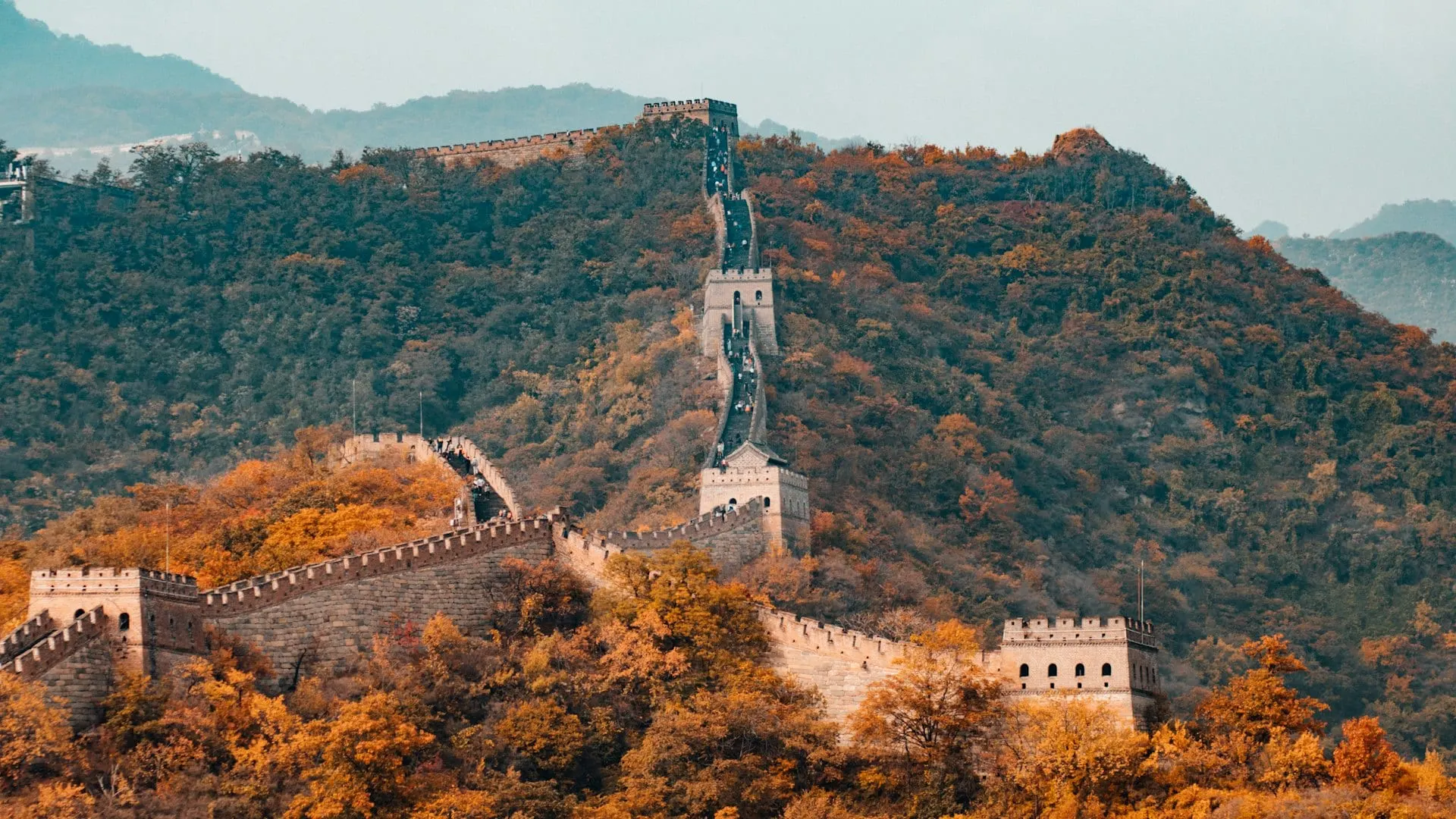
A miniature park of China's famous landmarks (Great Wall, Forbidden City, etc.) plus a folk culture village with live performances of minority dances and crafts. ¥220; combined ticket with Window of the World available.
Shekou Sea World
An expat-friendly dining and entertainment hub built around a docked cruise ship (the Minghua). Restaurants, bars, live music, and international supermarkets. The main gathering spot for Shenzhen's foreign community.
Dameisha Beach
Shenzhen's most popular public beach — 1.8 km of golden sand on the Dapeng Peninsula, with swimming, jet-skiing, and a beachfront promenade of seafood restaurants. ¥30 in summer; free in winter. 40 minutes from central Futian.
Dapeng Fortress
A 600-year-old Ming-Qing walled village on the Dapeng Peninsula, with original stone gates, cobbled alleys, traditional courtyard houses, and a coastal setting. Often overlooked by international visitors. ¥20.
Lianhuashan Park
A 150-hectare hilltop park in central Futian with the famous bronze statue of Deng Xiaoping striding forward, panoramic city views, and a kite-flying lawn. The symbolic heart of Shenzhen. Free.
Xichong Beach
Shenzhen's best surf beach, on the eastern Dapeng Peninsula — a 4-km crescent of white sand with consistent waves and a laid-back surf-camp vibe. Less developed than Dameisha. ¥20.
Compare Shenzhen with
Frequently asked questions
- Is Shenzhen worth visiting?
- Yes — Shenzhen is China's most futuristic city and the best place in the world to understand the country's breakneck modernisation. It is the only place where you can visit the world's largest electronics market (Huaqiangbei), a genuinely excellent contemporary art district (OCT-LOFT), and a 15-minute high-speed train to Hong Kong — all in the same day. The city rewards travellers who come for the tech, stay for the art, and use it as a Greater Bay Area base. Two to three days is the sweet spot.
- How do I visit Hong Kong from Shenzhen as a day trip?
- The fastest way is the high-speed rail from Futian Station or Shenzhen North Station to Hong Kong West Kowloon — 15 minutes, ¥75, immigration cleared at the HK station. Trains run every 15–30 minutes from about 6:30 AM to 10:50 PM. Alternatively, take the MTR East Rail Line from the Luohu/Lo Wu or Futian/Lok Ma Chau border crossings (45–60 minutes to Central HK, clear immigration at the border, open 6:30 AM–10:30 PM). Bring your passport; most Western passport holders get 90 days visa-free in Hong Kong.
- How many days do I need in Shenzhen?
- Two full days covers the essentials: Day 1 — Huaqiangbei electronics market, OCT-LOFT creative park, Shenzhen Bay Park at sunset, Shekou Sea World dinner. Day 2 — Ping An Finance Centre observation deck, Lianhuashan Park (Deng Xiaoping statue), Dafen Oil Painting Village, Dongmen food street. Three days adds a beach-and-fortress day on the Dapeng Peninsula or a Hong Kong day trip. One day is tight but workable if you focus on Huaqiangbei and OCT-LOFT.
- When is the best time to visit Shenzhen?
- October to December is ideal — warm enough for beaches (20–29°C), low humidity, clear skies, and the best air quality of the year. March to April is also good, with spring warmth and greenery, though more rain. May to September is hot, humid, and rainy, with typhoon risk peaking in July–September. January and February are mild (12–20°C) and dry but grey. Avoid Chinese New Year (late January/February) when many shops and restaurants close for up to two weeks, and the first week of October (National Day Golden Week) when domestic tourism peaks.
- Is Shenzhen safe for tourists?
- Yes — Shenzhen is one of the safest large cities in China, with very low violent crime, extensive CCTV coverage, and a strong police presence. The main risks are practical: pickpocketing in the crowded areas of Huaqiangbei and Dongmen (keep valuables secure), the summer heat and humidity (carry water), and typhoon disruption in July–September (monitor warnings and stay indoors when advised). It is safe to walk at night in the central districts and the Shekou area. Standard city precautions apply.
- What is the best way to get from Hong Kong Airport to Shenzhen?
- The smoothest route is the direct ferry from Hong Kong Airport's SkyPier to Shekou Port in Shenzhen — 30 minutes, ¥200, and you do not need to clear Hong Kong immigration (stay airside and board the ferry directly). Alternatively, take the Airport Express to Kowloon Station, then the HSR from West Kowloon to Futian or Shenzhen North (15 minutes, ¥75). The cheapest route is the airport bus to the Shenzhen Bay Port border crossing (45 minutes, ¥50), then a taxi or DiDi into Shenzhen. For the Luohu/Lo Wu crossing, take the Airport Express to Tsing Yi, then the MTR to Lo Wu.
- Where should I stay in Shenzhen?
- Futian (福田) is the best base for first-time visitors — central, well-connected by metro, with the densest concentration of international hotels (Shangri-La, Park Hyatt, Ritz-Carlton) and proximity to both the Hong Kong border crossings and the airport. Nanshan and Shekou (南山·蛇口) offer a more atmospheric stay near OCT-LOFT, Shenzhen Bay, and the expat dining hub at Sea World — good for return visitors. Luohu (罗湖) has budget-to-mid-range options near the original city centre and the Luohu/Lo Wu border crossing. The Dapeng Peninsula (大鹏半岛) is best for a beach-focused getaway.
- Can I use English in Shenzhen?
- English is spoken at international hotel front desks, the airport, Shekou, OCT-LOFT, and a handful of high-end restaurants. Elsewhere — Huaqiangbei, Dongmen, most taxis, local restaurants — it is rarely spoken. Download a translation app (Pleco for dictionary, Baidu Translate for voice and photo), save your hotel's address in Chinese, and use DiDi (which has an in-app translator) rather than hailing taxis on the street. The metro has full English signage. Shenzhen is more English-friendly than most mainland Chinese cities but less so than Hong Kong.
- Is the Huaqiangbei electronics market worth visiting?
- Yes — it is the world's largest electronics market and a genuinely unique experience. Even if you buy nothing, the sheer scale (a multi-block district of 20-floor skyscrapers stuffed with electronics stalls) is astonishing. Bring cash for bargaining on consumer goods (first price is typically 20–30% above reality), know that components and tools are priced close to wholesale, and go on a weekday when all stalls are open. Budget 2–3 hours minimum. The closest metro is Huaqiang North (Line 2) or Huaqiang Road (Line 1).
- Do I need a visa for Shenzhen?
- As of 2026, citizens of 45+ countries including the US, UK, Canada, Australia, and most of the EU enter China visa-free for up to 30 days for tourism. Shenzhen is also part of the 144-hour (6-day) Guangdong visa-free transit zone — citizens of 54 countries arriving and departing via different international airports or ports (e.g., flying into Hong Kong, crossing to Shenzhen, and departing from Guangzhou) can visit Shenzhen and the Pearl River Delta without a visa. Check en.nia.gov.cn for the current eligible list. Your passport must have six months' validity.
- What is the difference between Shenzhen and Hong Kong?
- They are adjacent and deeply connected, but they are very different places. Hong Kong is a former British colony with its own legal system, currency (Hong Kong dollar), border controls, and a dense, vertical, intensely urban character — it is one of the world's great cities, with world-class food, sightseeing, and nightlife. Shenzhen is a mainland Chinese city purpose-built since 1980, with wider streets, more green space, a younger population, and a distinct identity as a tech and innovation hub. The HSR connects them in 15 minutes, making it easy to stay in one and day-trip the other. For a first-time visitor, Hong Kong is the richer destination; Shenzhen is the fascinating counterpoint, especially for tech, art, and electronics, and together they make one of the world's most compelling city pairs.
- Can I visit Shenzhen as a day trip from Hong Kong?
- Yes, and it is very easy. Take the HSR from Hong Kong West Kowloon to Futian (15 minutes, ¥75) or Shenzhen North. Clear Chinese immigration (have your passport and any required visa ready), then use the metro to reach Huaqiangbei (Line 2, Huaqiang North station), OCT-LOFT (Line 1 to Qiaocheng East, then a short walk), or Shekou (Line 2 to Sea World). For a one-day trip, a morning at Huaqiangbei and an afternoon at OCT-LOFT and Shenzhen Bay Park is a great taste of the city. Return to Hong Kong on the last HSR around 10:50 PM.
- What should I buy at Huaqiangbei?
- The best purchases are: electronic accessories (phone cases, cables, chargers, screen protectors) at a fraction of Western prices; components and maker supplies (Arduino boards, sensors, LEDs, tools) for hobbyists; drones and drone accessories (Shenzhen is DJI's hometown); smart home gadgets; and unique Chinese-market electronics you will not find elsewhere. For high-value items (laptops, phones, cameras), buy from the official brand stores on the ground floors rather than the upper-floor wholesalers to avoid counterfeits. Bargain on consumer accessories; prices on components and tools are generally fixed.
- What is the weather like in Shenzhen and when is typhoon season?
- Shenzhen has a humid subtropical climate. Summer (June–September) is hot (30–35°C) and very humid, with frequent afternoon thunderstorms and typhoon risk peaking in July–September — the city has excellent warning systems, but outdoor plans can be disrupted for a day or two. Winter (December–February) is mild (12–20°C), dry, and the most pleasant season for sightseeing. Spring (March–May) is warm and increasingly humid, with more rain and blooming greenery. Autumn (October–November) is the sweet spot — warm, dry, and clear. Typhoons affect Shenzhen 2–4 times per year; if one is forecast, stay indoors, monitor local warnings, and expect transport disruption for 24–48 hours.
- Is Shenzhen expensive?
- Shenzhen is moderately priced — more expensive than Guangzhou or inland Chinese cities, cheaper than Hong Kong or Shanghai. A mid-range hotel is ¥400–700/night, a hotpot or seafood dinner is ¥100–200/person, street food and noodle bowls are ¥20–50, the metro is ¥2–14, and most attractions are ¥20–220. A comfortable mid-range day runs ¥700–1,200. The luxury end (Park Hyatt, Ritz-Carlton, fine dining) is comparable to Hong Kong. Shenzhen offers excellent value compared to Hong Kong, which is one reason travellers often stay in Shenzhen and day-trip to Hong Kong.
- What is there to do in Shenzhen at night?
- Shenzhen's nightlife centres on three districts. Shekou Sea World is the expat hub — open-air bars, live music, international restaurants, and a lively weekend crowd around the docked cruise ship. OCT Harbour (next to OCT-LOFT) has waterfront bars and restaurants with a more upscale, design-conscious feel. The Coco Park and Shopping Park areas in Futian have the biggest concentration of clubs, cocktail bars, and late-night dining. KTV (karaoke) is popular city-wide. Shenzhen is not a 24-hour party city like Hong Kong, but the central districts are active until midnight or 1 AM on weekends.
- Can I use Hong Kong dollars in Shenzhen?
- Hong Kong dollars are accepted at some shops near the border crossings (Luohu Commercial City, Lo Wu) but at a poor exchange rate — you will get much better value paying in RMB (CNY). Elsewhere in Shenzhen, Hong Kong dollars are generally not accepted. Use Alipay or WeChat Pay (linked to a foreign Visa/Mastercard) for most transactions, carry ¥200–400 in RMB cash for street stalls and small vendors, and use ATMs at Bank of China or ICBC if you need cash.
- How do I get to Guangzhou from Shenzhen?
- The HSR from Shenzhen North or Futian to Guangzhou South takes 30 minutes, with trains every 10–15 minutes (¥50–75 second class). Guangzhou South is connected to the city by Metro Line 2 and Line 7. Alternatively, the older intercity trains from Shenzhen (Luohu) to Guangzhou East take about 1 hour (¥80). The HSR makes Guangzhou a very easy day trip from Shenzhen, ideal for visiting the Chen Clan Ancestral Hall, Shamian Island, and Canton Tower.
- What is the Dapeng Fortress and is it worth visiting?
- Dapeng Fortress (大鹏所城) is a 600-year-old Ming-Qing walled village on the Dapeng Peninsula, built in 1394 to defend the coast against pirates. It is one of the best-preserved Ming-era fortifications in southern China, with original stone gates, cobbled alleys, traditional courtyard houses, temples, and a small museum. It is smaller and less touristy than the great walled cities in the north (Pingyao), but it offers a rare glimpse of old Guangdong and a peaceful counterpoint to Shenzhen's modernity. ¥20 entry. Combine it with a morning at the nearby beaches for a full Dapeng Peninsula day trip, about an hour from central Shenzhen by DiDi or bus.
- Is Shenzhen a good destination for families?
- Yes — Shenzhen's wide sidewalks, modern metro, and family-friendly attractions make it a good family destination. The theme parks (Window of the World, Splendid China) are specifically designed for families; OCT-LOFT and Shenzhen Bay Park offer easy outdoor wandering; the beaches at Dameisha are shallow and lifeguarded; and the Ping An Centre observation deck is exciting for kids. Kid-friendly non-spicy food is widely available (Cantonese dim sum, noodles, dumplings). The main caveats: summer heat can be punishing for young children, and Huaqiangbei is less engaging for small kids than for adults.
References

Related guides & destinations
Guide
China Wheelchair Accessibility Guide 2026: Realistic Expectations
China is improving on accessibility but is far behind the West. Modern airports and 4-star+ hotels are accessible; ancient streets, older me
Guide
China Travel Statistics 2026: Inbound Tourism by the Numbers
132.5 million inbound visitors in 2025, 38+ visa-free countries, $50–$300+ daily budgets, 47,000 km of HSR, and a top-10 Global Peace Index