Shanghái Travel Guide 2026
La capital financiera de China y la ciudad más cosmopolita. El Bund, el skyline futurista de Pudong, las cafeterías de la Concesión Francesa y una escena gastronómica que eclipsa a Pekín.
Last updated:
Quick Answer
Shanghái es la ciudad más grande de China (24 millones de habitantes) y una visita obligada por el contraste: el Art Deco de los años 30 en el Bund, los rascacielos futuristas de Pudong al otro lado del río, la Concesión Francesa con cafeterías de estilo europeo y, posiblemente, la mejor comida de China. Dos o tres días cubren lo esencial; una semana te permite añadir excursiones a Suzhou o la ciudad acuática de Zhujiajiao. La mayoría de los viajeros occidentales visitan sin visado hasta por 30 días en 2026.
| Best time to visit | March–May and September–November. Avoid the July–September humidity and typhoon season. |
|---|---|
| Daily budget | $80 (backpacker) / $200 (mid-range) / $550+ (luxury) |
| Currency | CNY (¥) — Alipay and WeChat Pay accept foreign Visa/Mastercard as of 2024; foreign cards widely accepted at hotels and malls |
| Language | Mandarin (the local Shanghainese dialect is distinct; English widely spoken in central Shanghai) |
| Time zone | China Standard Time (UTC+8) |
| Last updated | 2026-06-15 |
¿Vale la pena visitar Shanghái en 2026?
Sí — Shanghái es esencial para cualquier visitante primerizo de China. Es la ciudad china más internacional (inglés ampliamente hablado, comida de todos los continentes, el aire más limpio de las cuatro ciudades principales). Planifica un mínimo de 2-3 días.
¿Qué sección de la Gran Muralla debería visitar?
Para la vista clásica con mínimo esfuerzo: Badaling (más concurrido pero más accesible). Para primera visita: Mutianyu (mejor conservado, menos concurrido, con tobogán). Para excursionistas experimentados: Jinshanling (senderismo de 5 horas, mezcla de restaurado y salvaje).
¿Cómo es el clima de Shanghái?
Shanghái tiene un clima subtropical húmedo. Primavera (marzo-mayo) y otoño (septiembre-noviembre) son los mejores. El verano (junio-agosto) es caluroso y húmedo (32-38°C, 80%+ humedad) con tifones ocasionales. El invierno (diciembre-febrero) es frío y húmedo pero raro bajo cero.
Top attractions
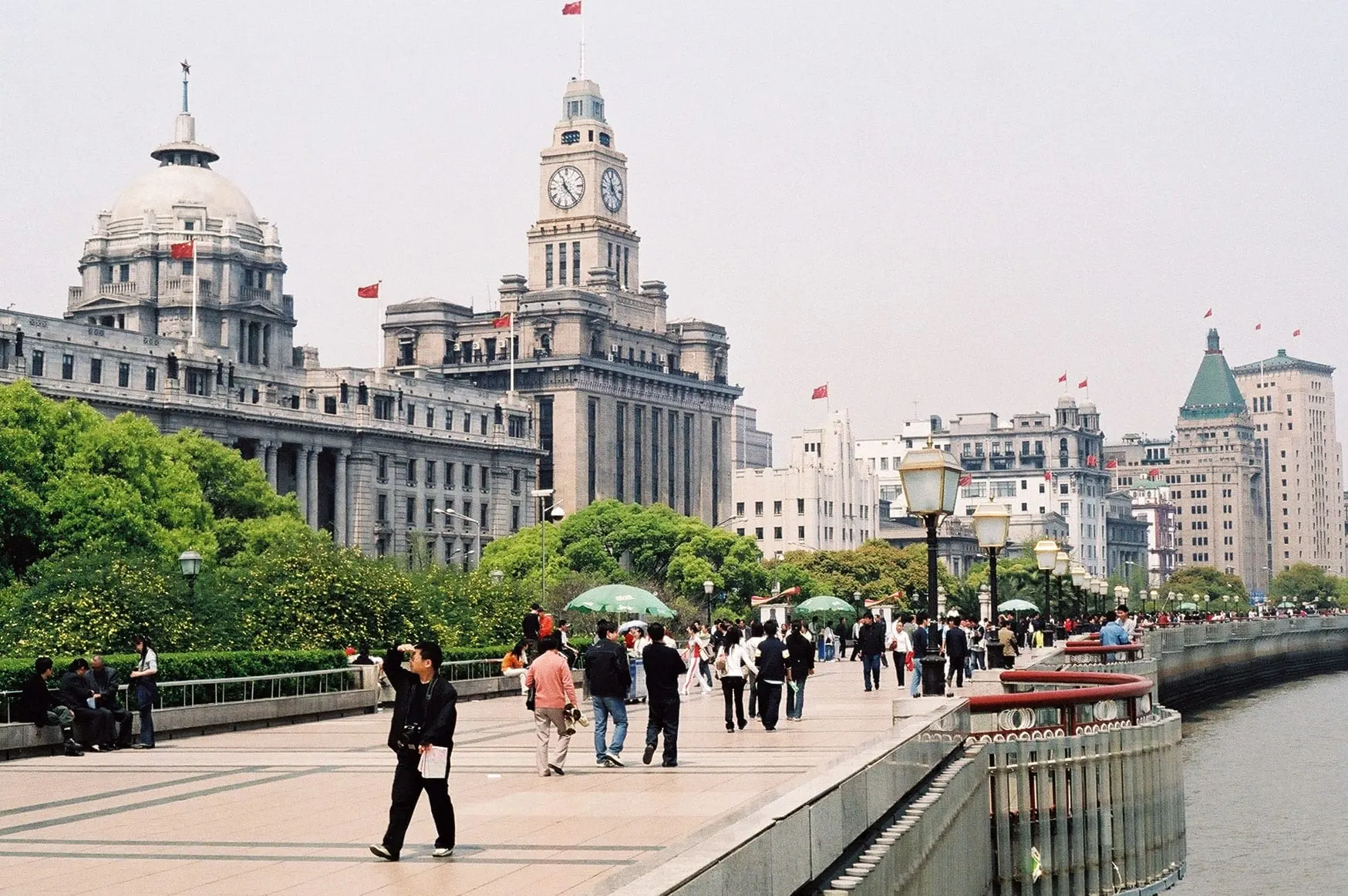
The Bund (外滩)
The 1.5-km riverfront promenade facing 52 heritage Art Deco and neoclassical buildings from the 1920s, with the Pudong skyline across the river. Best at sunset and after dark when Pudong lights up. Free.
Wikimedia Commons · CC
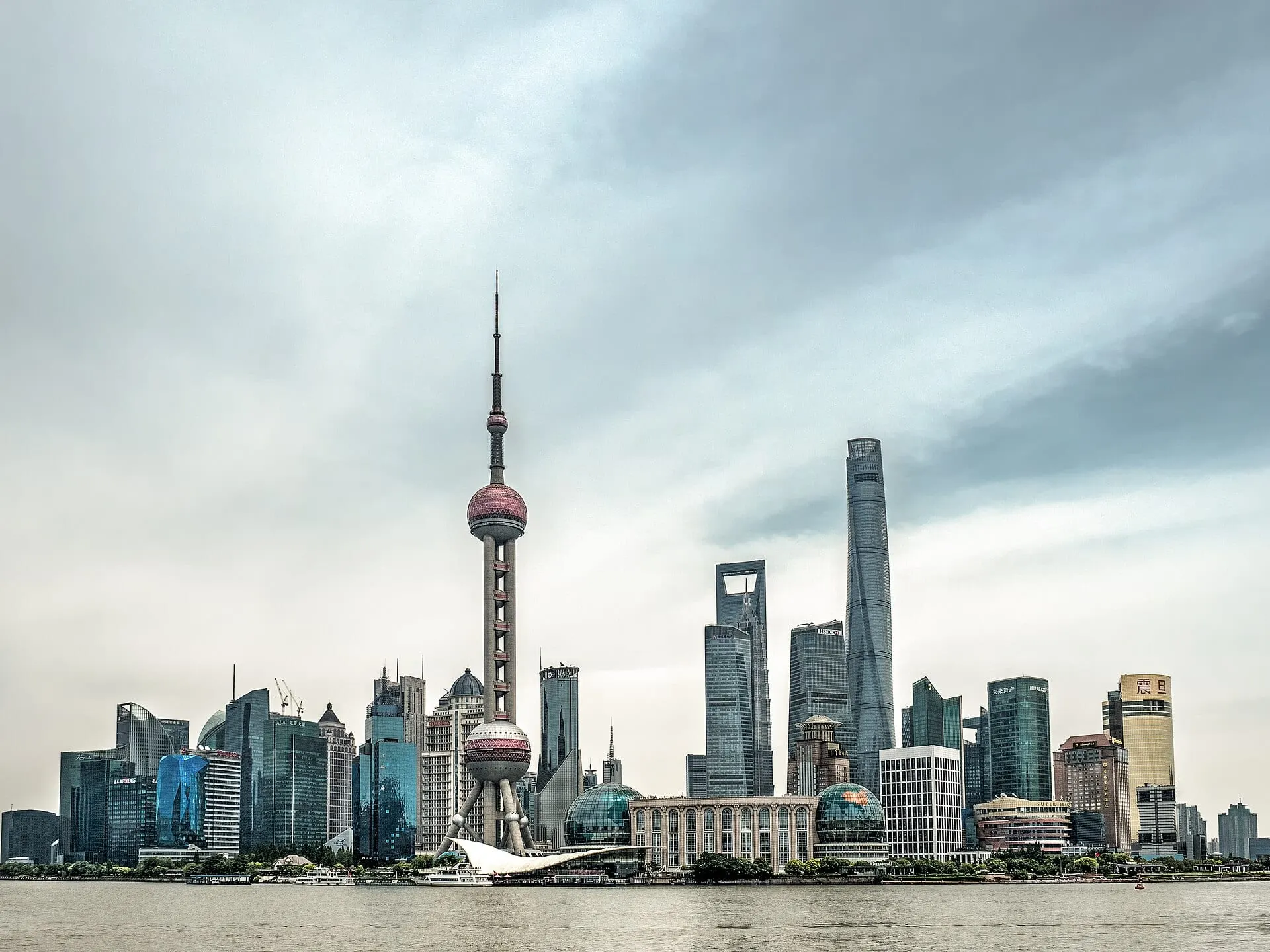
Pudong Skyline and the Shanghai Tower
The sci-fi skyscraper forest across the Huangpu: the 632 m Shanghai Tower (China's tallest, with the 474 m skywalk observation), the Oriental Pearl TV Tower, the Jin Mao Tower, and the SWFC. The Shanghai Tower observation is the headline.
Wikimedia Commons · CC
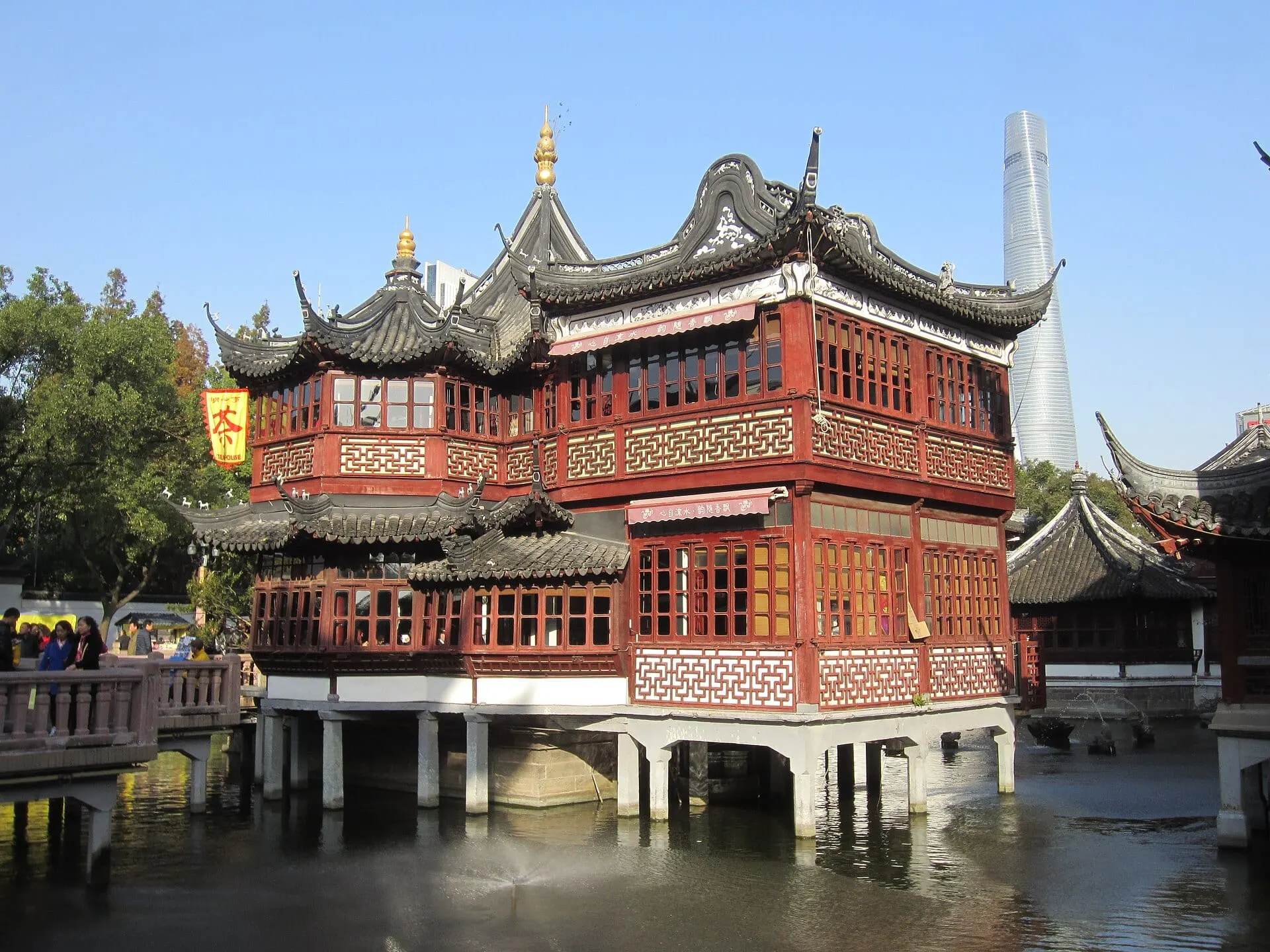
Yu Garden and the Old City (豫园)
A 1559 Ming-dynasty classical garden of rockeries, koi ponds, pavilions, and zigzag bridges, surrounded by a recreated old-city bazaar. ¥40. Pair with the City God Temple and the bazaar street food.
Wikimedia Commons · CC
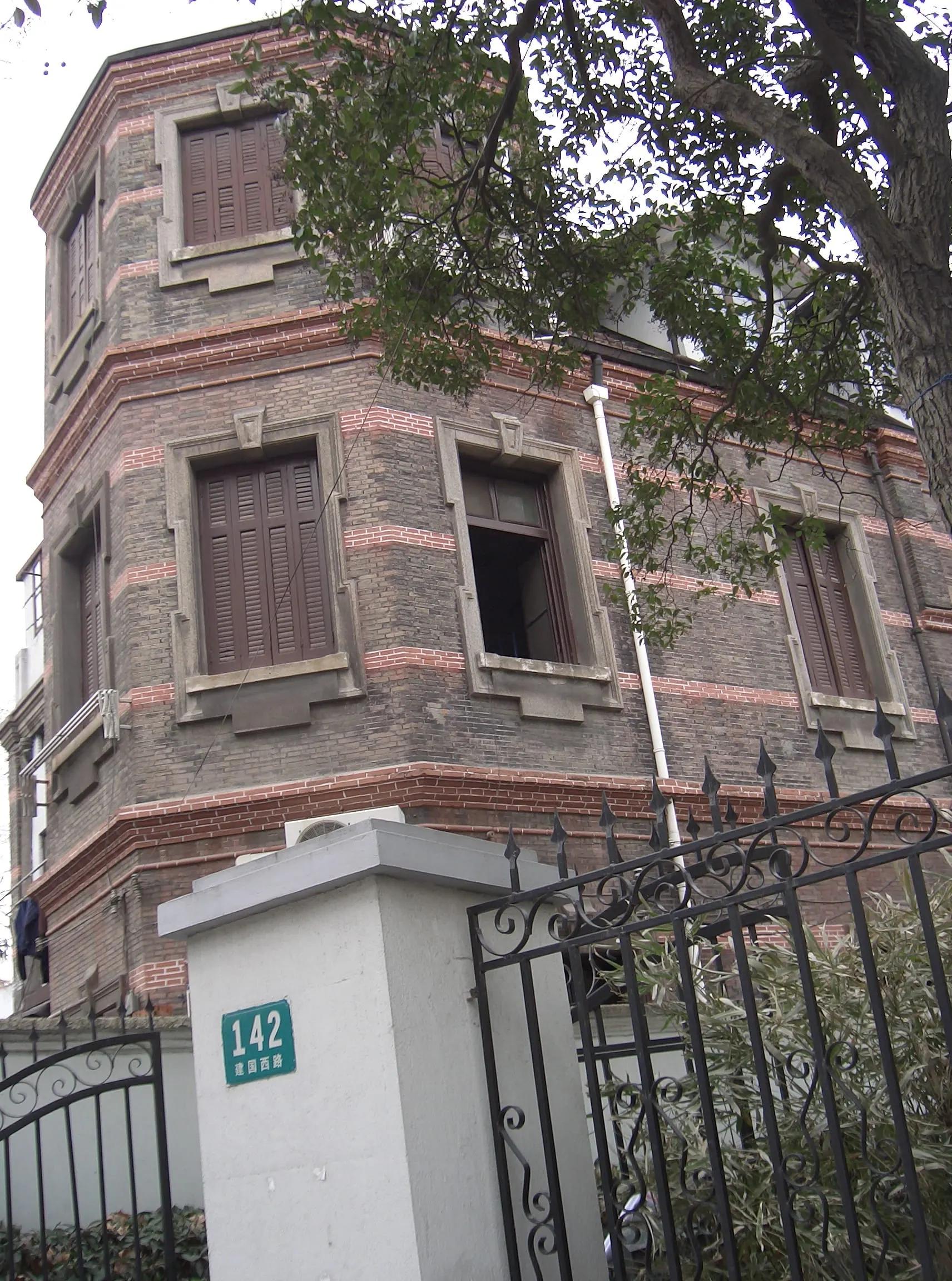
The French Concession (法租界)
The leafy former French concession — tree-lined streets, 1920s villas, boutiques, cafes, and bars. The most pleasant urban walking in China. Anchored by Xintiandi, Tianzifang, and the boutiques of Anfu and Wukang Roads.
Wikimedia Commons · CC
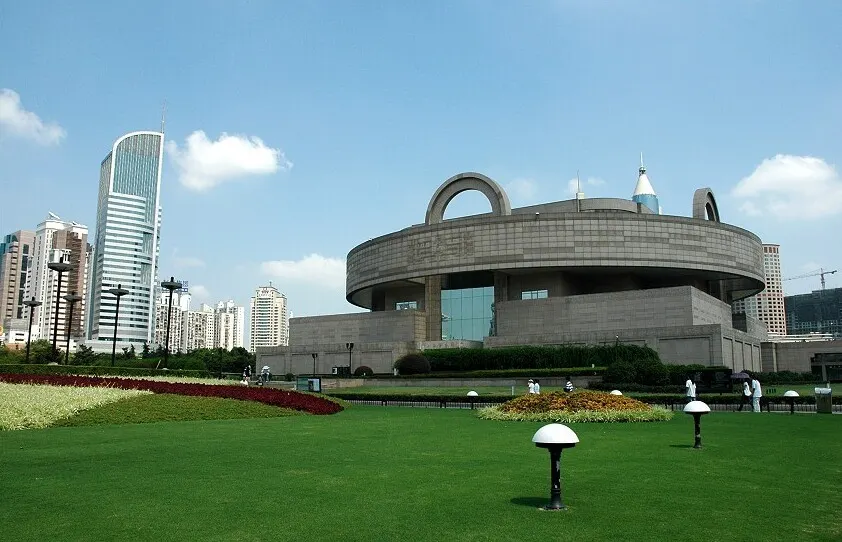
Shanghai Museum
One of the great museums of China — the bronzes, ceramics, calligraphy, jade, furniture, and coins of 5,000 years, in a superb display on People's Square. Free (book ahead). Allow 3 hours.
Wikimedia Commons · CC
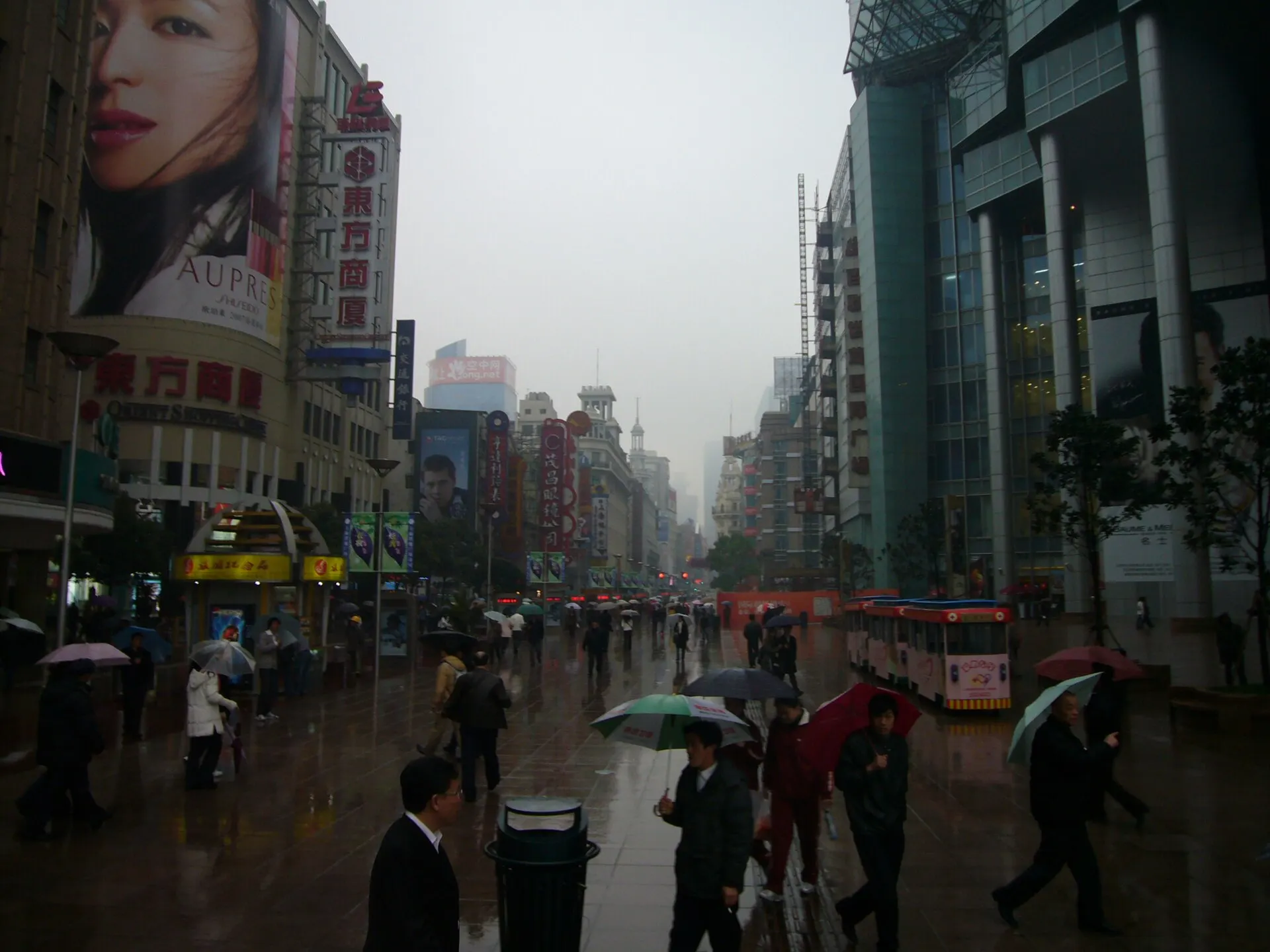
Nanjing Road
China's most famous shopping street — the pedestrian Nanjing East Road from the Bund to People's Square, neon-lit and crowded day and night. Free to walk.
Wikimedia Commons · CC
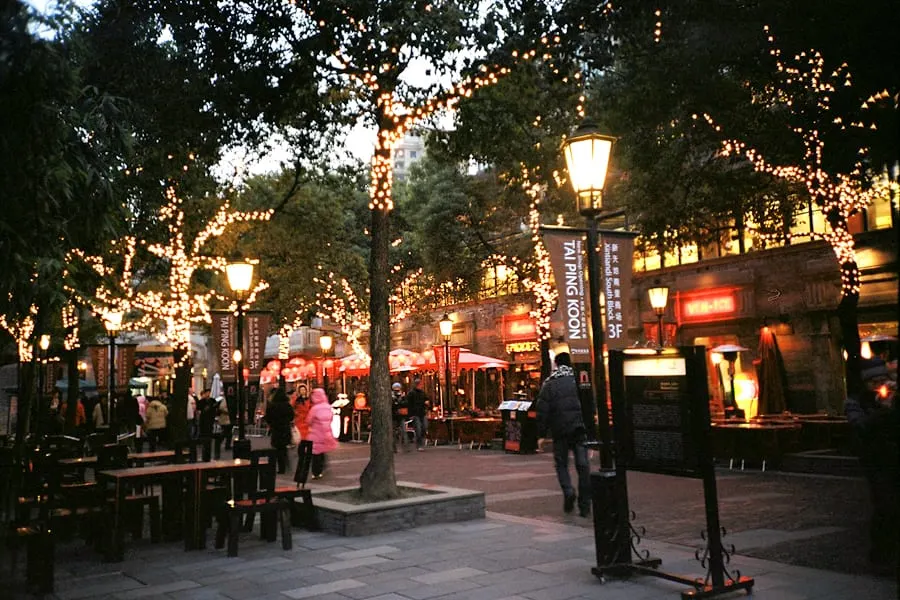
Xintiandi (新天地)
A restored Shikumen (stone-gate) lane complex, now a chic district of restaurants, bars, and the Site of the First National Congress of the Chinese Communist Party. The blend of old architecture and modern commerce.
Wikimedia Commons · CC
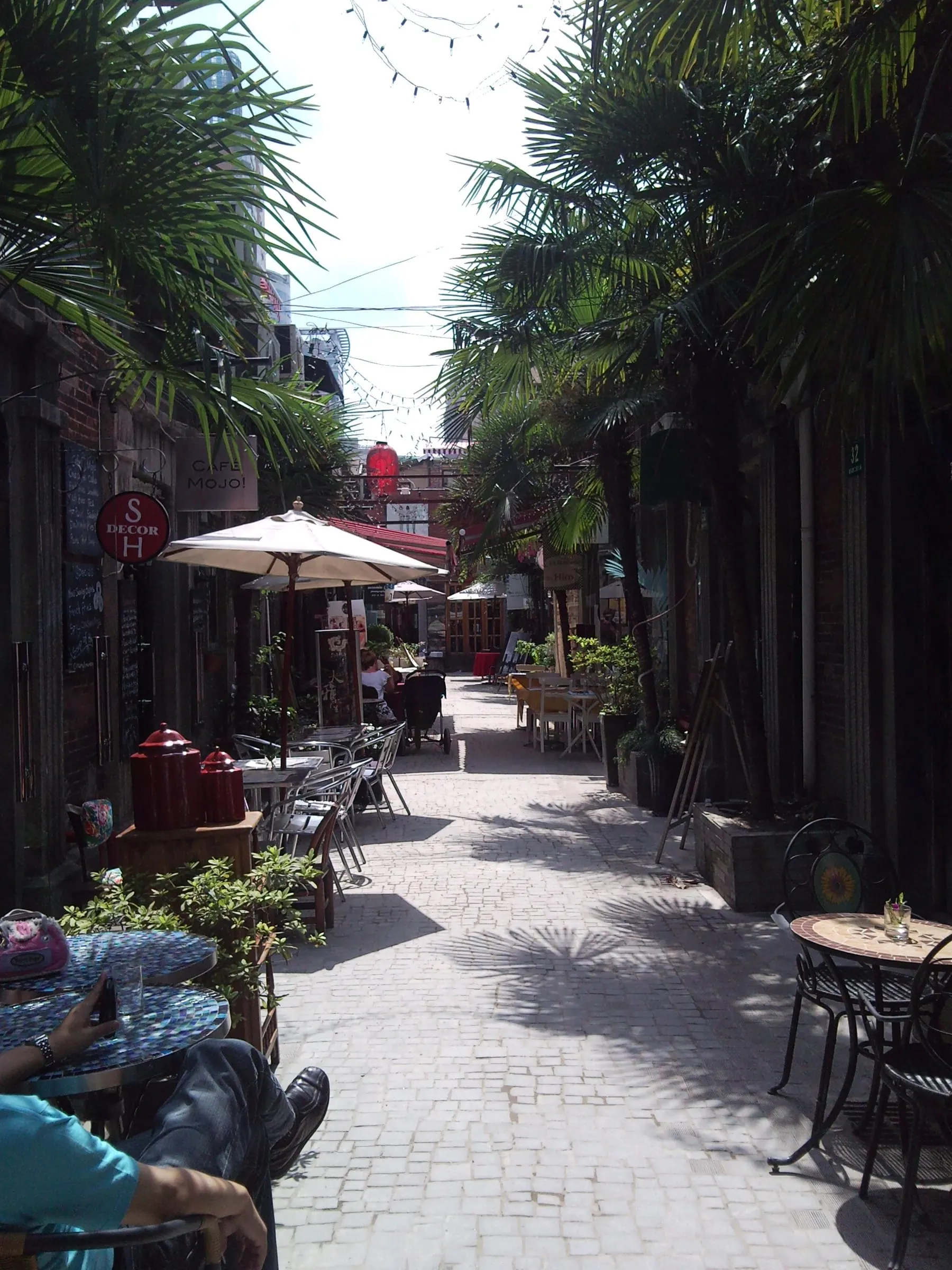
Tianzifang (田子坊)
A maze of Shikumen lanes converted into art studios, craft shops, cafes, and bars in the French Concession. Touristy but atmospheric. Free to wander.
Wikimedia Commons · CC
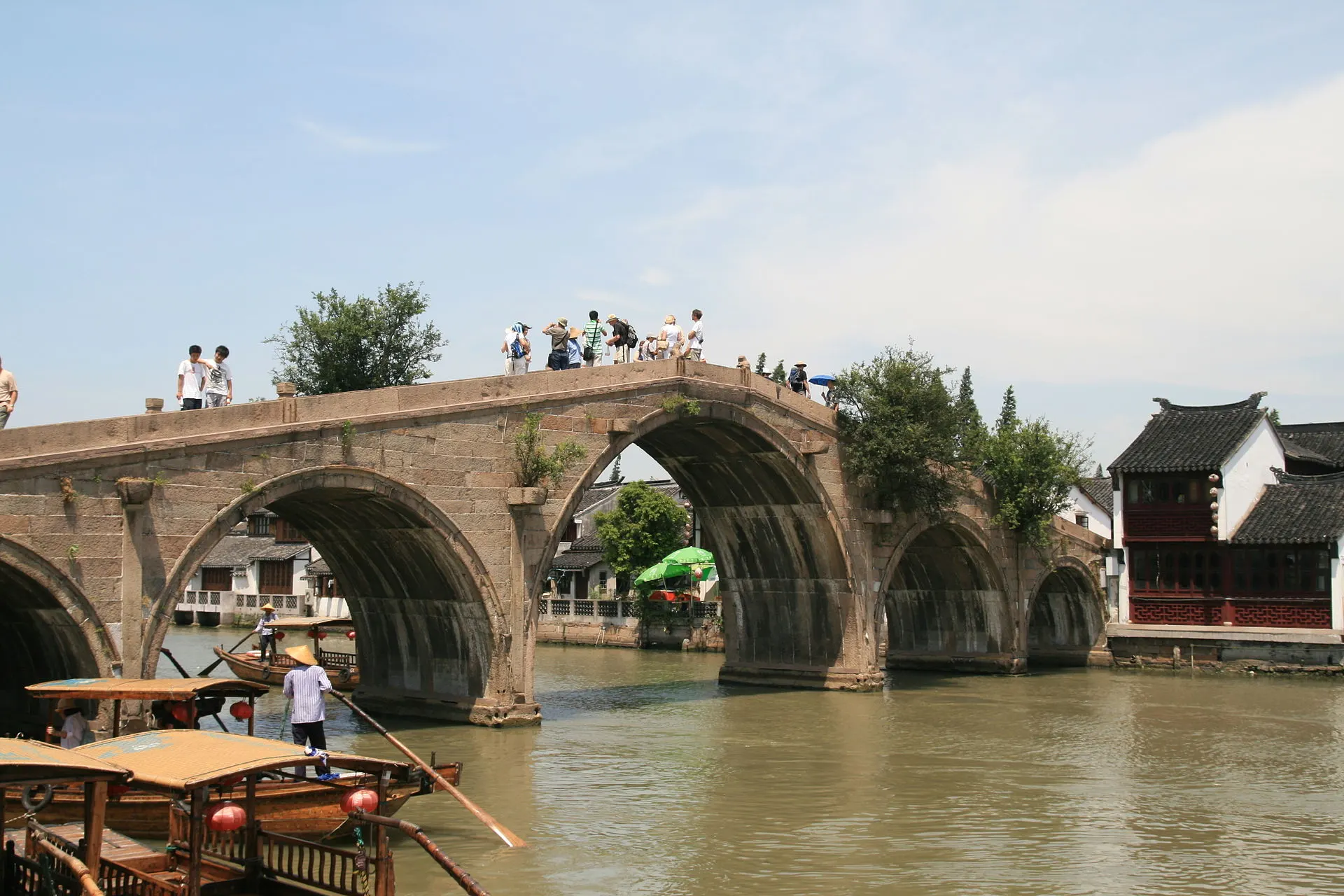
Zhujiajiao Water Town
A 1,700-year-old canal water town an hour west of the city, with Ming-Qing stone bridges, arched alleys, and boat rides. The easiest water-town day trip. ¥80 for the sights.
Wikimedia Commons · CC
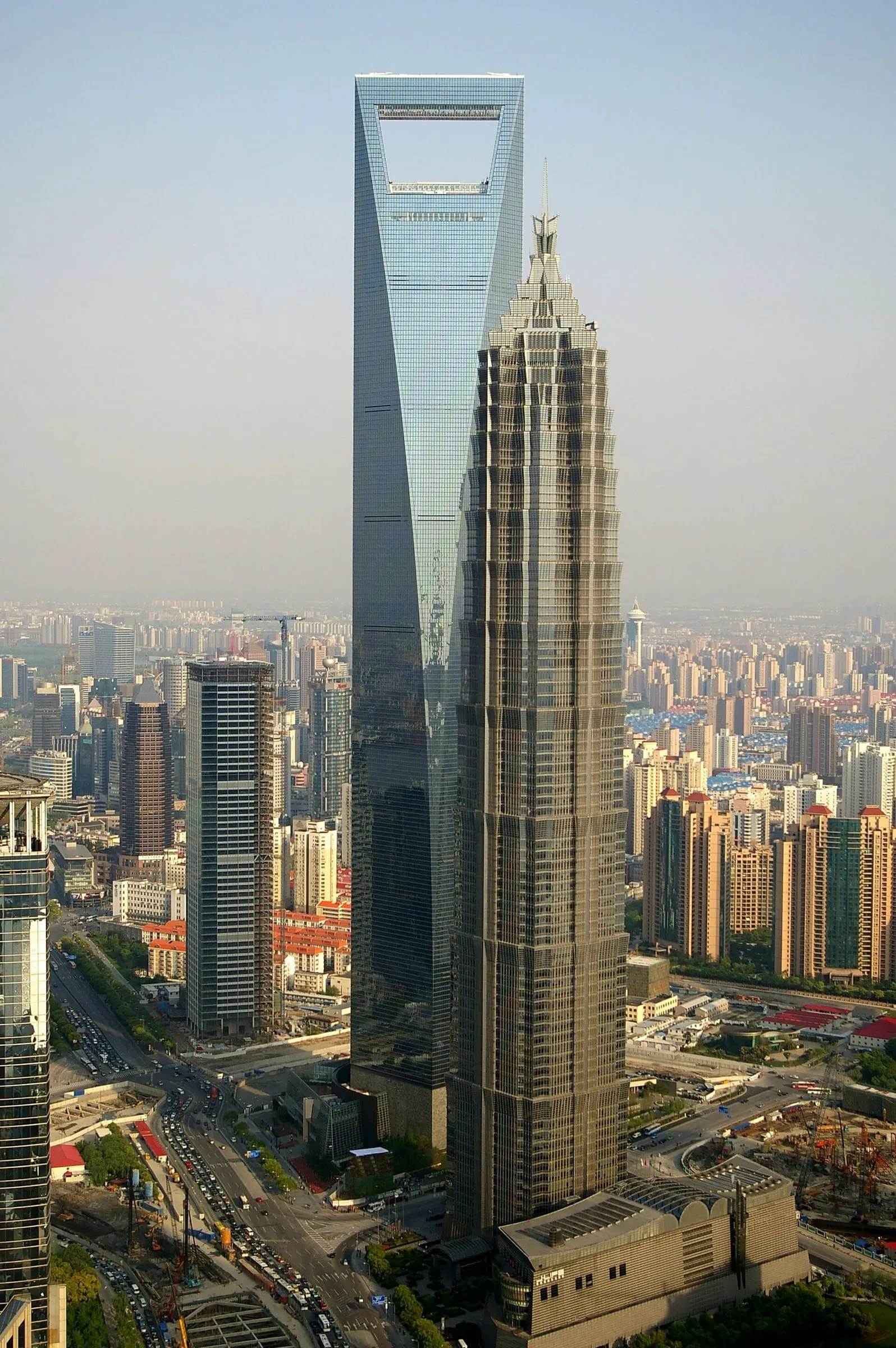
West Bund (西岸)
The riverside West Bund art district — the Long Museum, the Yuz Museum, the Start Museum, and a landscaped riverfront walk. Shanghai's contemporary art heart. Free to walk; museums ¥80–120.
Wikimedia Commons · CC
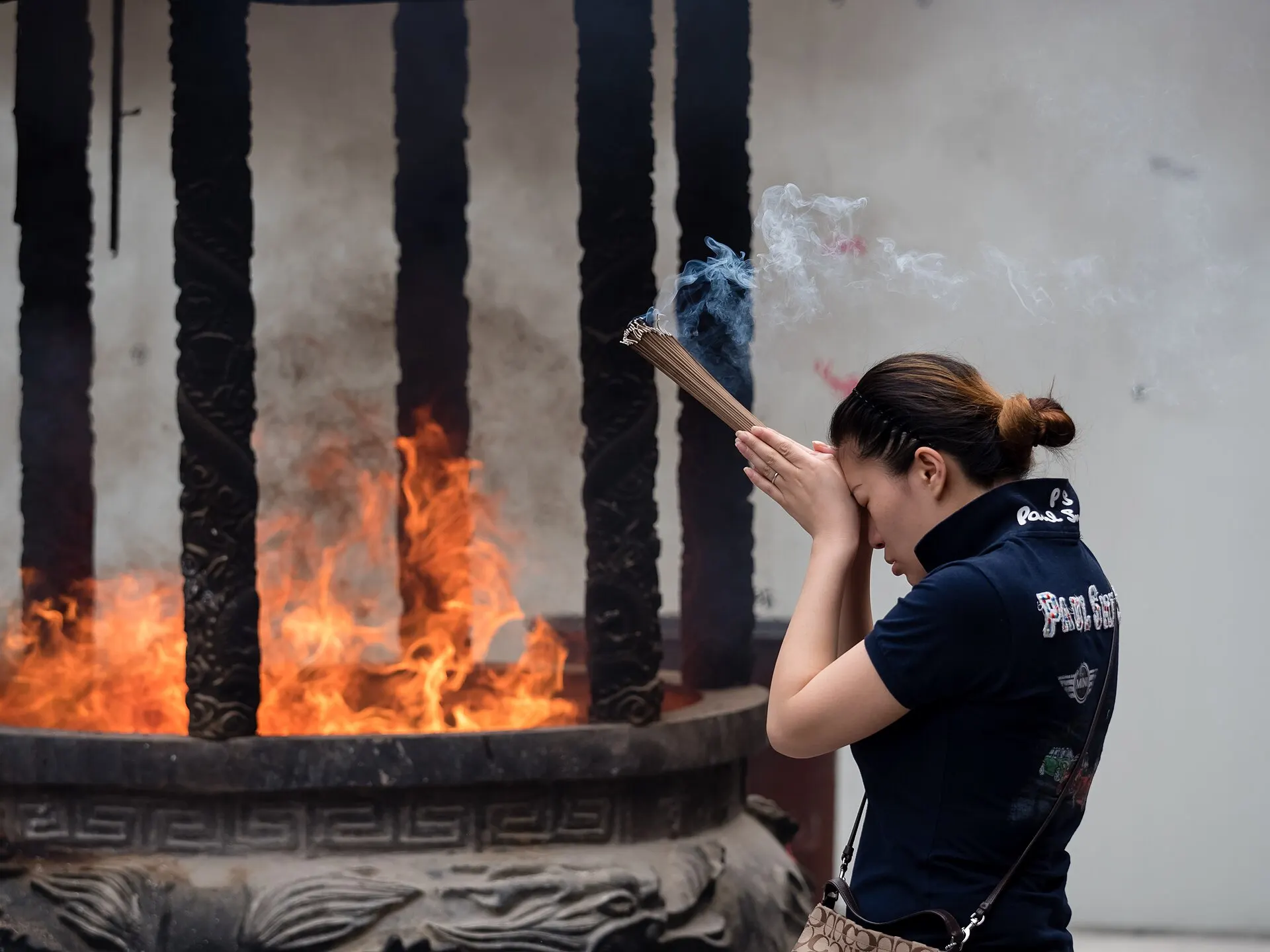
Jade Buddha Temple (玉佛寺)
A working 1918 Buddhist temple with two white-Burma-jade Buddha statues, incense, and chanting monks. The calm spiritual counterpoint to the city's commercial energy. ¥20.
Wikimedia Commons · CC
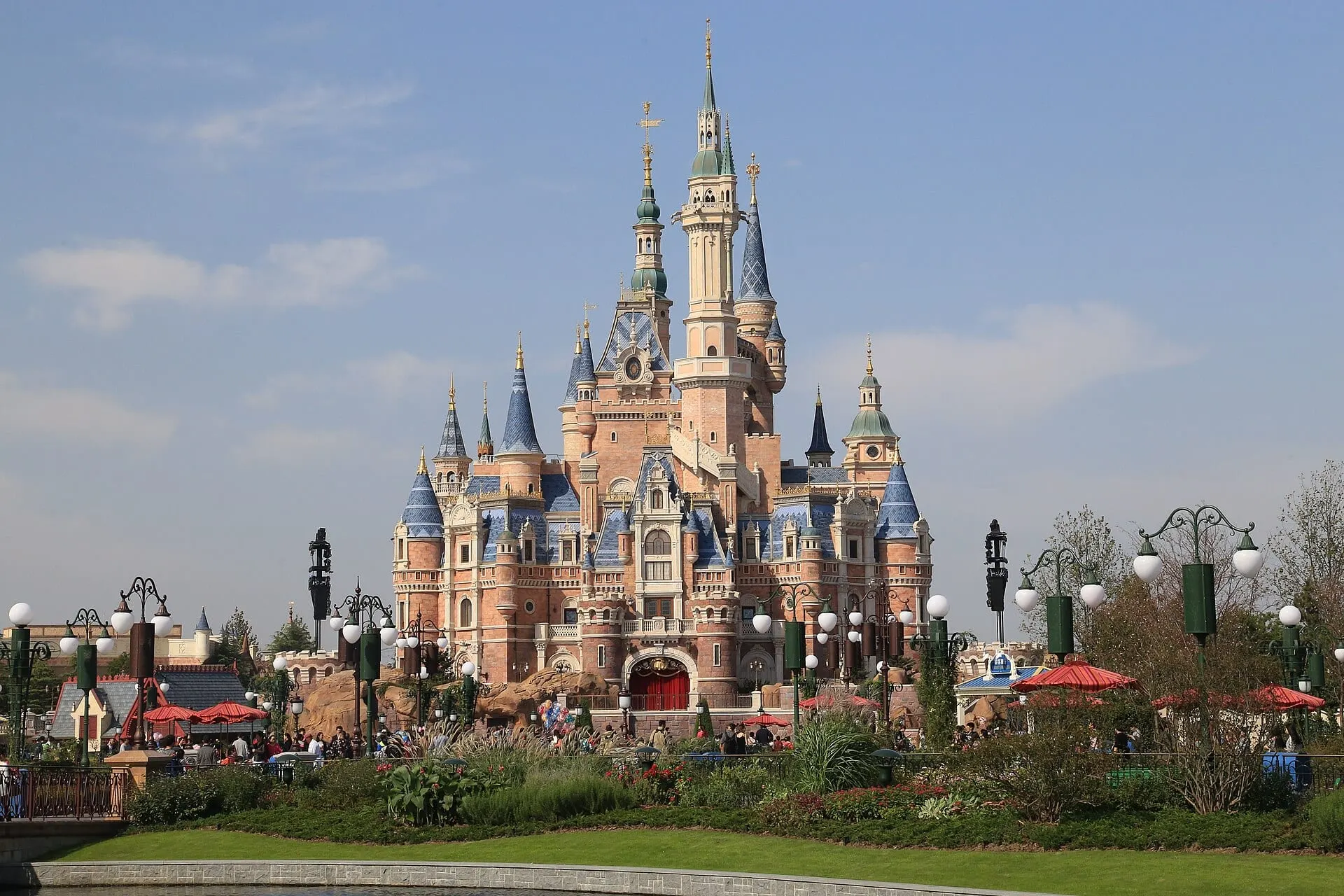
Disneyland Shanghai
The newest of the Disney parks, with the unique Tron Lightcycle Power Run and Pirates of the Caribbean rides. A full day in Pudong. From ¥475. Best for families or theme-park fans.
Wikimedia Commons · CC
Frequently asked questions
- ¿Shanghái es mejor que Pekín?
- Diferentes — Shanghái es más internacional, moderna y cosmopolita. Pekín es más histórica y culturalmente "china". Si tienes tiempo, visita ambas; si solo una, depende de tus intereses (negocios/comida/compras → Shanghái; historia/cultura → Pekín).
- ¿Necesito hablar chino en Shanghái?
- No en las zonas turísticas — el inglés está ampliamente hablado en el Bund, Nanjing Road, Pudong y los hoteles internacionales. En los barrios locales, ten una app de traducción (Pleco, Google Translate) lista.
- ¿Cuándo se ven las flores de cerezo en Shanghái?
- Finales de marzo a principios de abril. El Parque Gucun y el Century Park son los lugares más populares. Planifica con flexibilidad — la floración dura solo 1-2 semanas.
References
Related guides & destinations
Guide
China Wheelchair Accessibility Guide 2026: Realistic Expectations
China is improving on accessibility but is far behind the West. Modern airports and 4-star+ hotels are accessible; ancient streets, older me
Guide
China Travel Statistics 2026: Inbound Tourism by the Numbers
132.5 million inbound visitors in 2025, 38+ visa-free countries, $50–$300+ daily budgets, 47,000 km of HSR, and a top-10 Global Peace Index