Hong Kong Travel Guide 2026
Donde China se encuentra con el mundo. El horizonte de Victoria Peak, dim sum, los mercados nocturnos de Temple Street y Stanley, y los paseos en Star Ferry.
Last updated:
Quick Answer
Hong Kong es una Región Administrativa Especial (RAE) de China, devuelta por los británicos en 1997. La ciudad es un contraste fascinante de rascacielos futuristas (más altos que Manhattan), pueblos tradicionales como Stanley y Tai O, dim sum de clase mundial, mercados nocturnos vibrantes y la cultura de la Ruta de los Caballos. Tres o cuatro días son suficientes para los aspectos más destacados. La mayoría de los occidentales pueden visitar sin visado durante 90 días.
| Best time to visit | October–December (cool, dry, clear); March–April (warm, pleasant). Avoid June–August humidity. |
|---|---|
| Daily budget | $70 (backpacker) / $200 (mid-range) / $550+ (luxury) |
| Currency | Hong Kong Dollar (HK$) — pegged at about 7.8:1 to the US dollar; foreign cards widely accepted |
| Language | Cantonese (primary), Mandarin, English (official; the most widely spoken English in Asia) |
| Time zone | Hong Kong Time (UTC+8) |
| Last updated | 2026-06-15 |
¿Cuántos días necesito en Hong Kong?
3-4 días: Día 1 — Victoria Peak + Star Ferry + paseo por Tsim Sha Tsui. Día 2 — Mercado de mujeres + Templo Wong Tai Sin + mercados nocturnos (Temple Street o Ladies Market). Día 3 — Hong Kong Island central (Central, SoHo, Man Mo Temple) + Stanley Market + Aberdeen. Día 4 — Lantau Island (Gran Buda, Monasterio Po Lin, Tai O pueblo de pescadores).
¿Cómo me muevo en Hong Kong?
MTR (Mass Transit Railway) es excelente: limpio, eficiente, señalización en inglés, conecta todos los principales puntos de interés. Tarjeta Octopus: tarjeta recargable sin contacto, funciona en metro, autobuses, tranvías, ferry, tiendas de conveniencia y muchos restaurantes. Cuesta ¥50 (incluye depósito reembolsable) + recarga. Taxis son relativamente baratos.
¿Hong Kong es caro?
Sí — Hong Kong es consistentemente una de las ciudades más caras del mundo. Hoteles: ¥800-2000/night ($110-280). Comida: ¥50-200 por comida en dim sum/restaurantes; ¥20-50 en comida callejera. Transporte: ¥5-30 por viaje. Presupuesto diario: ¥600-1500 ($84-210) mid-range.
Top attractions
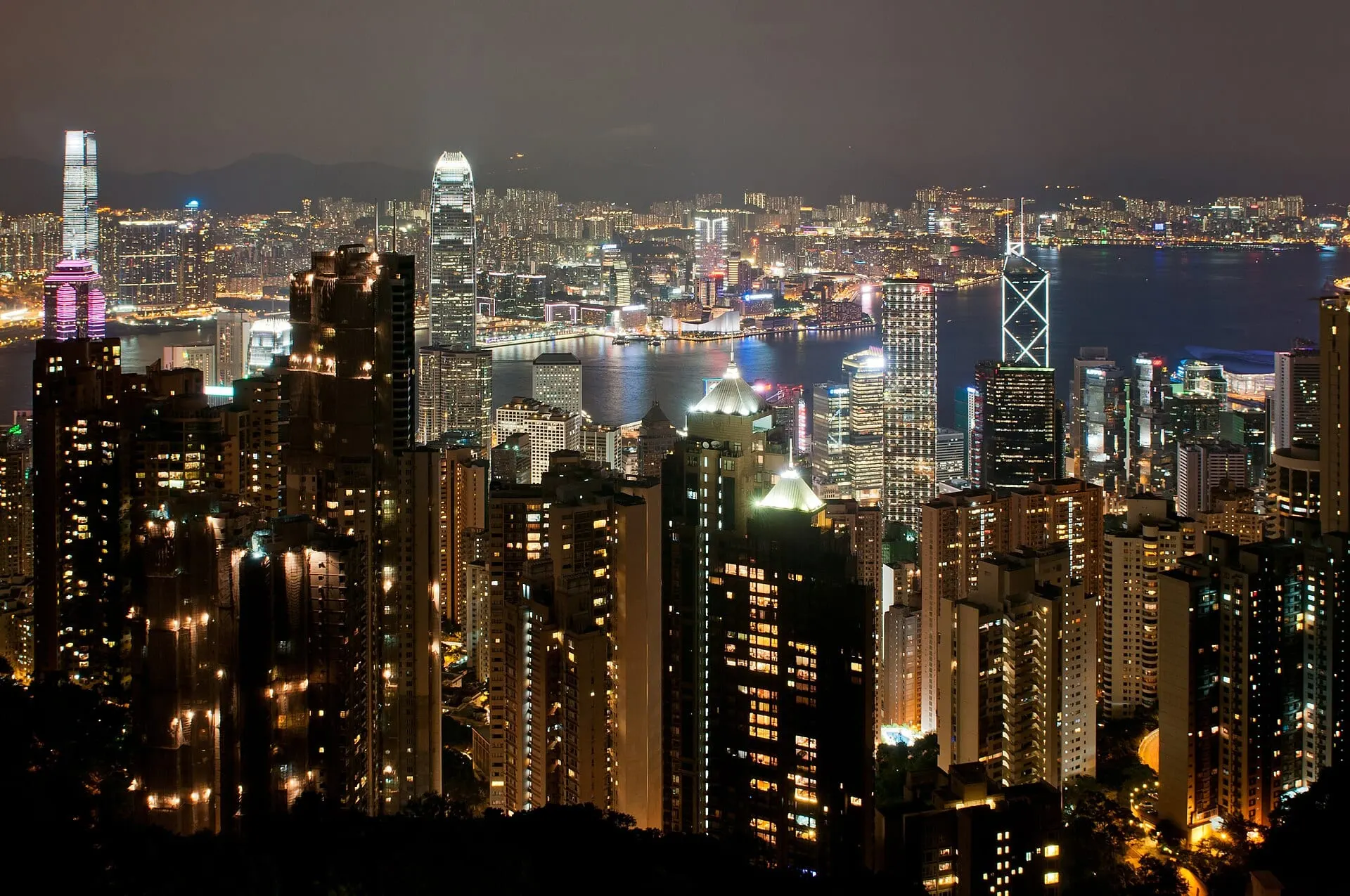
Victoria Peak (The Peak)
The 552-metre summit above Central, with the postcard skyline and harbour panorama. Take the Peak Tram funicular up and the Sky Terrace 428 for the top view. Best at sunset and after dark.
Wikimedia Commons · CC
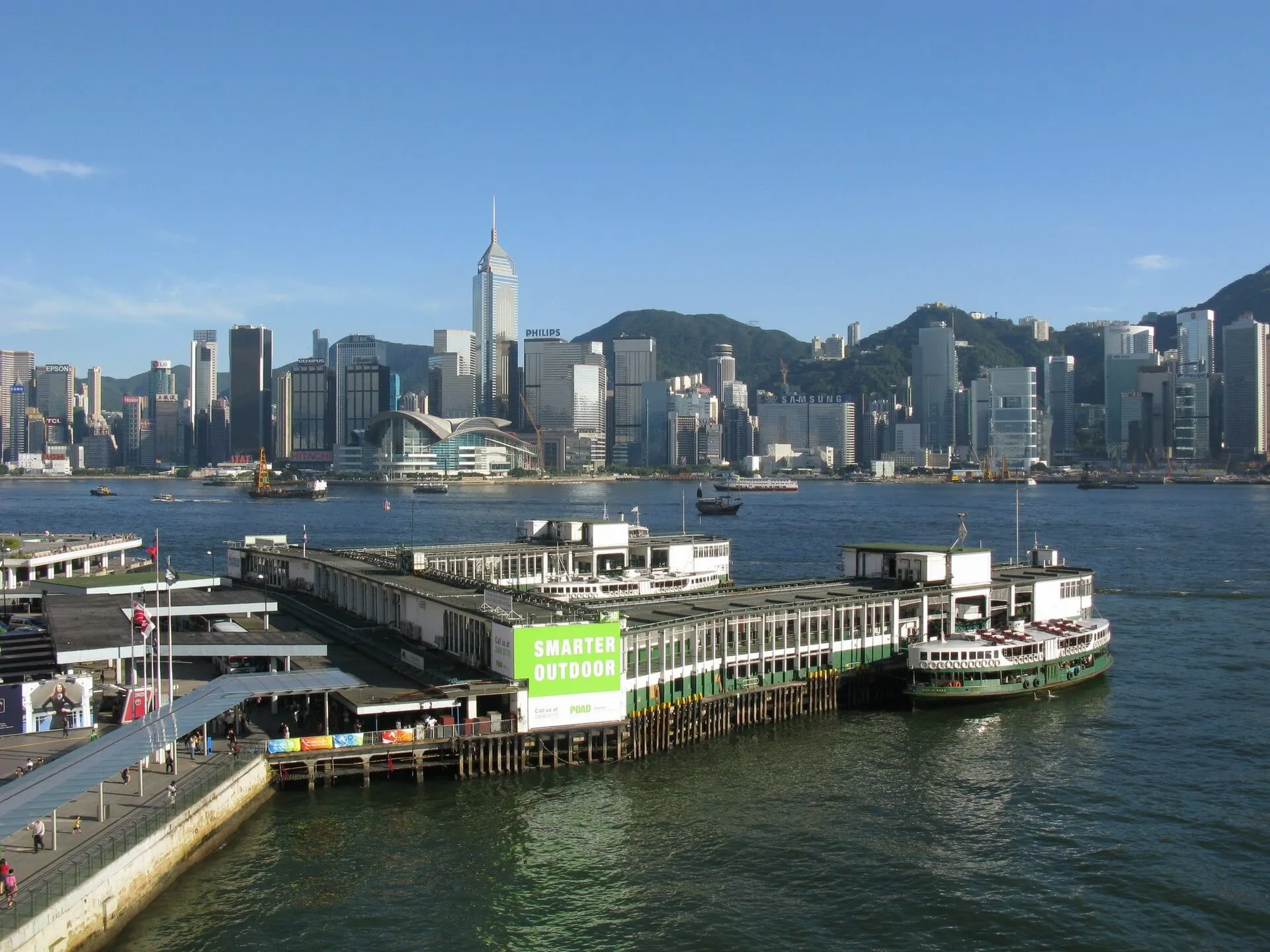
Star Ferry
The green-and-white double-deck ferry that has crossed Victoria Harbour since 1888. The 10-minute Central-to-Tsim Sha Tsui run is one of the best-value boat rides on earth (HK$5). Best at dusk.
Wikimedia Commons · CC
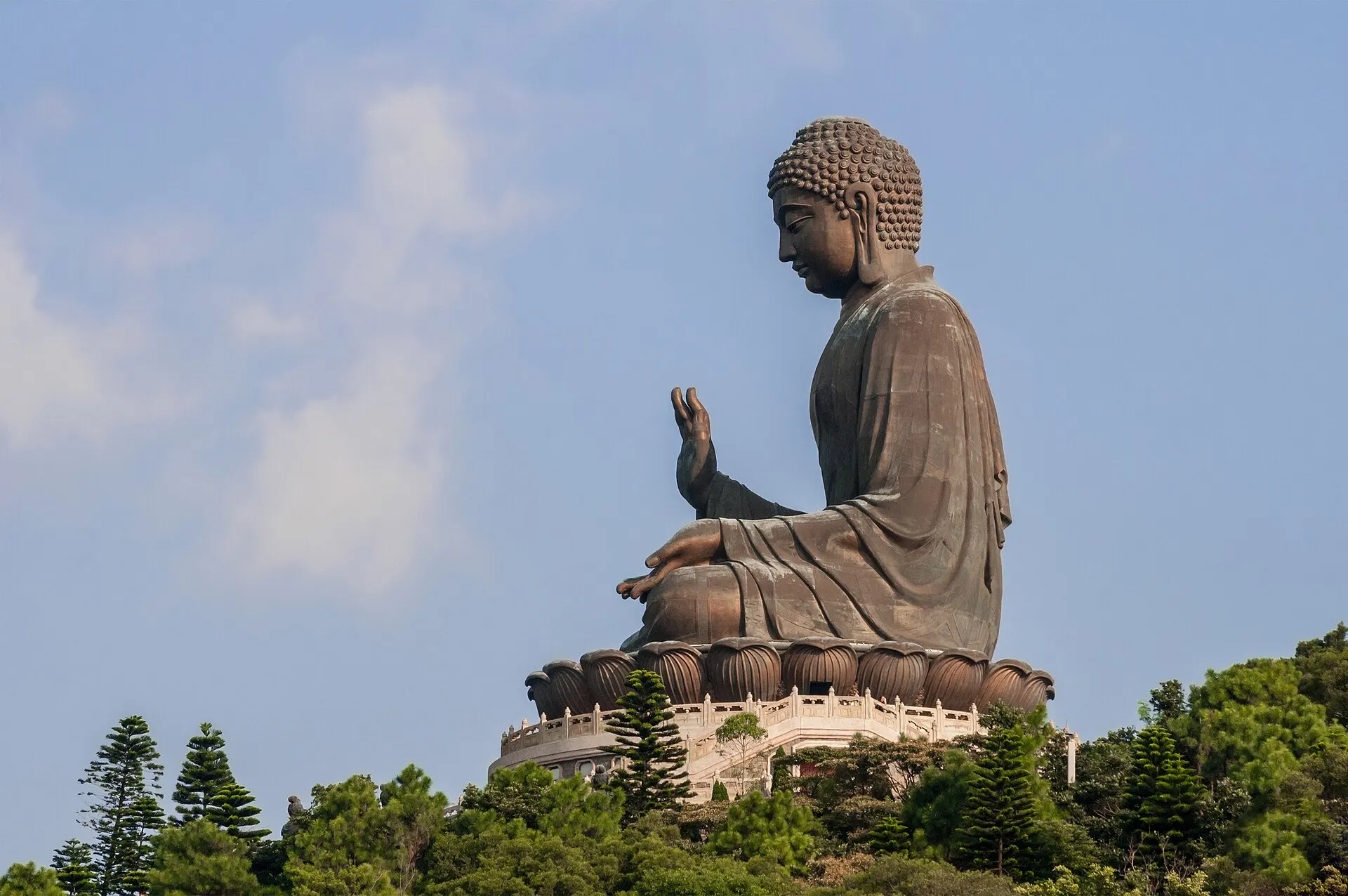
Tian Tan Buddha (Big Buddha)
A 34-metre seated bronze Buddha on a Lantau Island hilltop, reached by the Ngong Ping 360 cable car. Climb 268 steps to the base. Day trip from the city.
Wikimedia Commons · CC
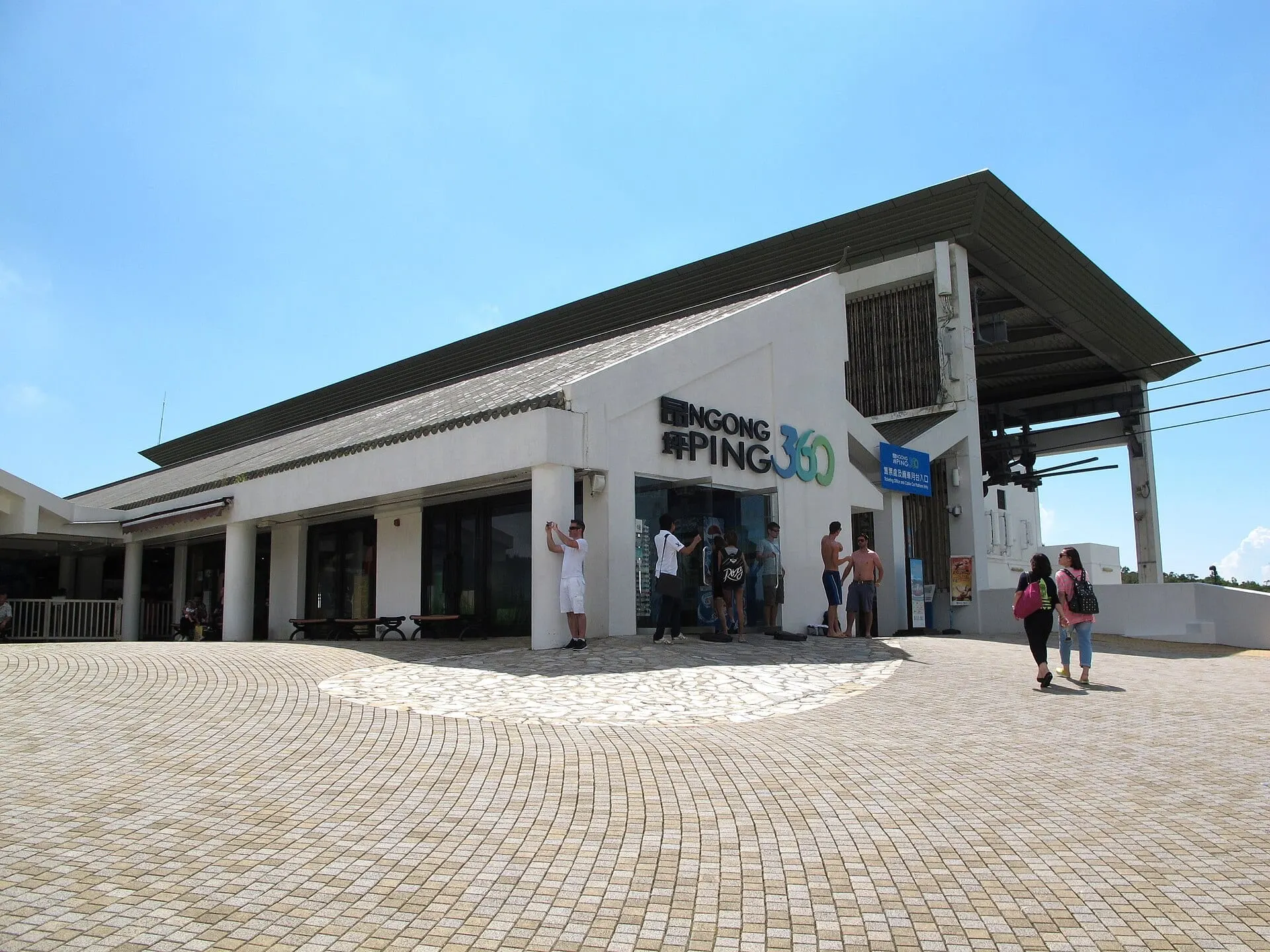
Ngong Ping 360 Cable Car
A 25-minute gondola ride from Tung Chung up over the South China Sea and Lantau peaks to the Big Buddha. Book the crystal cabin with the glass floor for the views.
Wikimedia Commons · CC
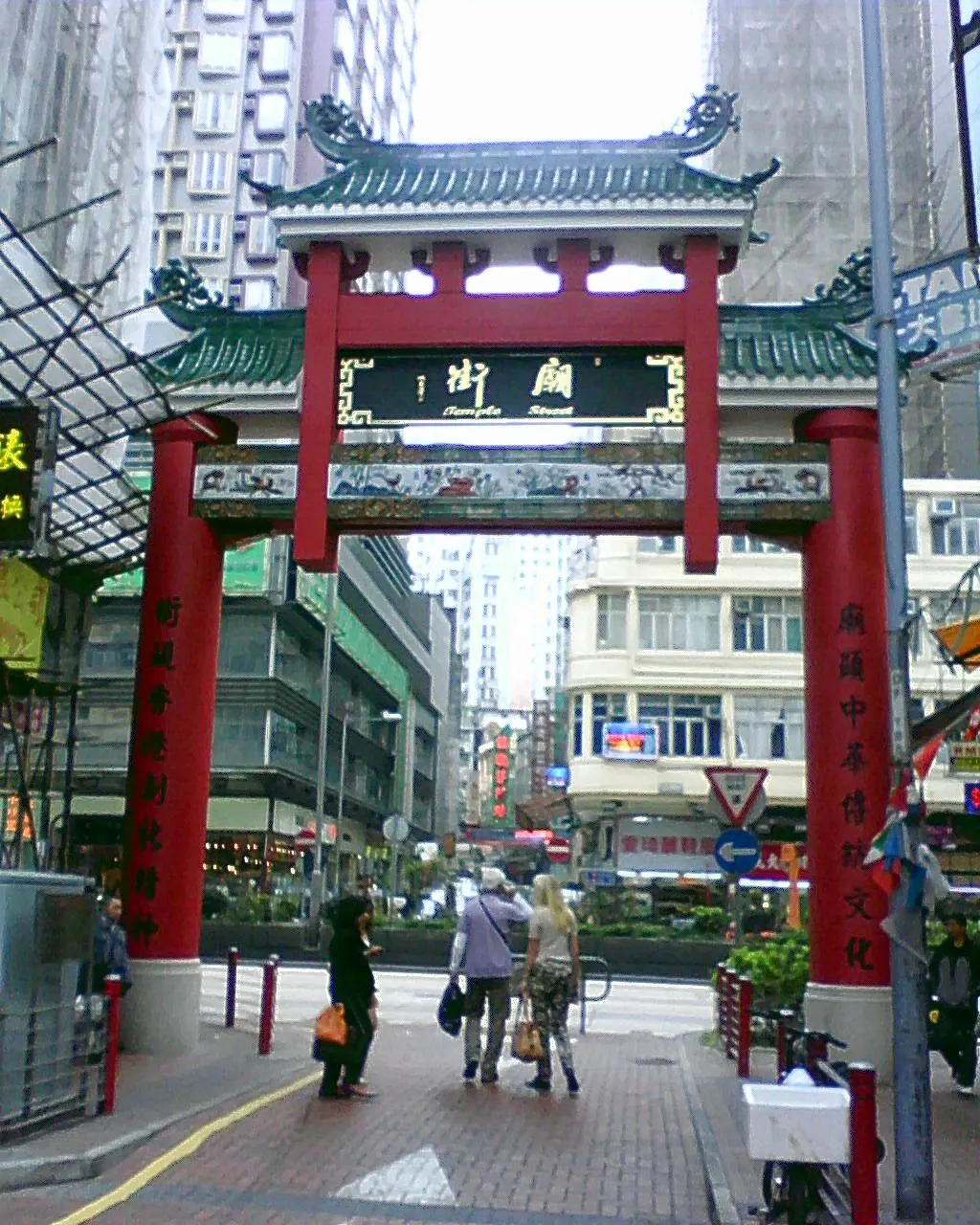
Temple Street Night Market
Kowloon’s atmospheric night market: fortune tellers, Cantonese opera, street food (claypot rice, oysters), knock-off goods, and neon. Best after dark. Yau Ma Tei.
Wikimedia Commons · CC
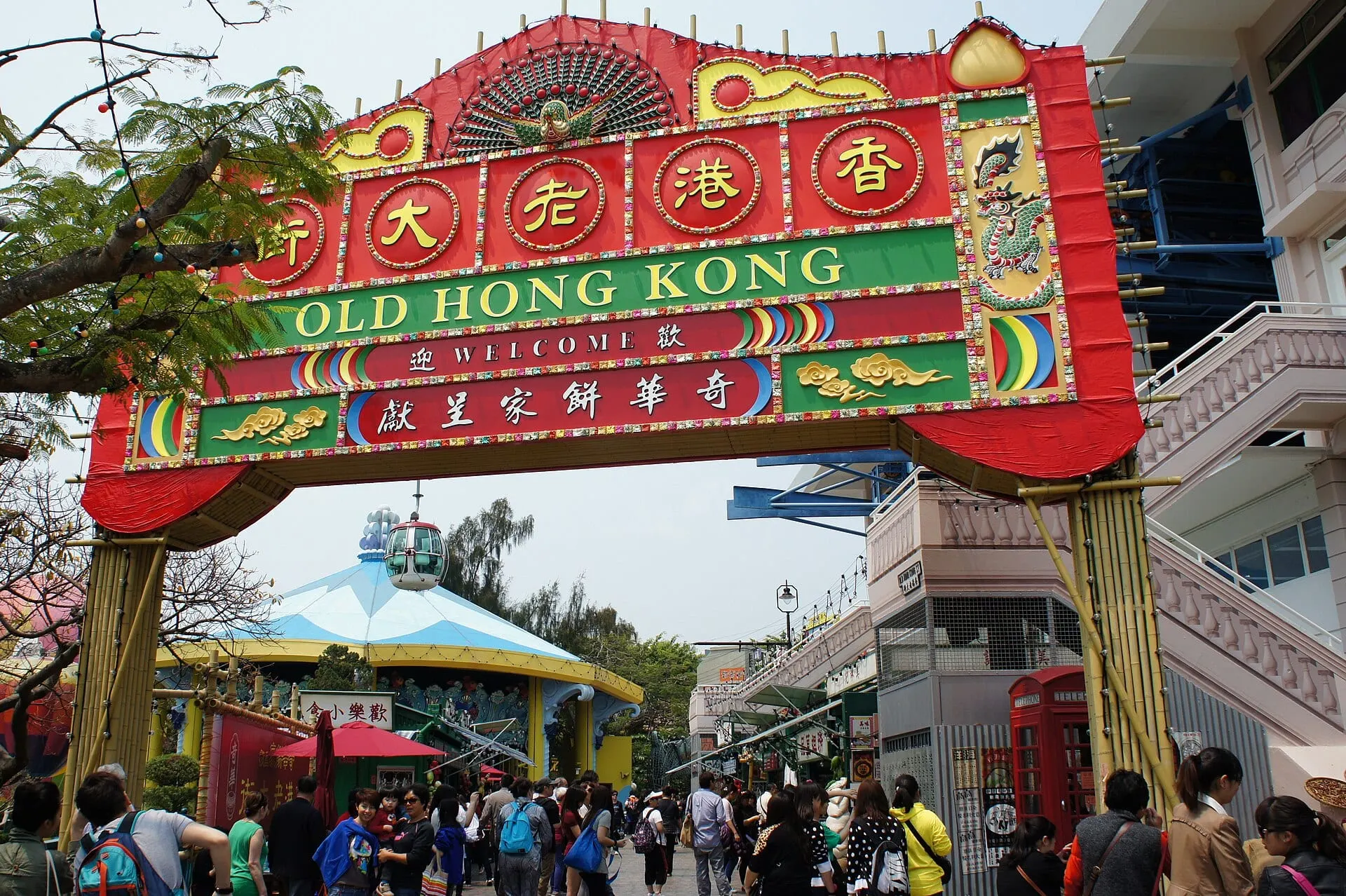
Ocean Park Hong Kong
A hillside-and-bay theme park with pandas, a giant aquarium, and cable cars over the sea. The local favourite over Disneyland. Aberdeen, south side.
Wikimedia Commons · CC
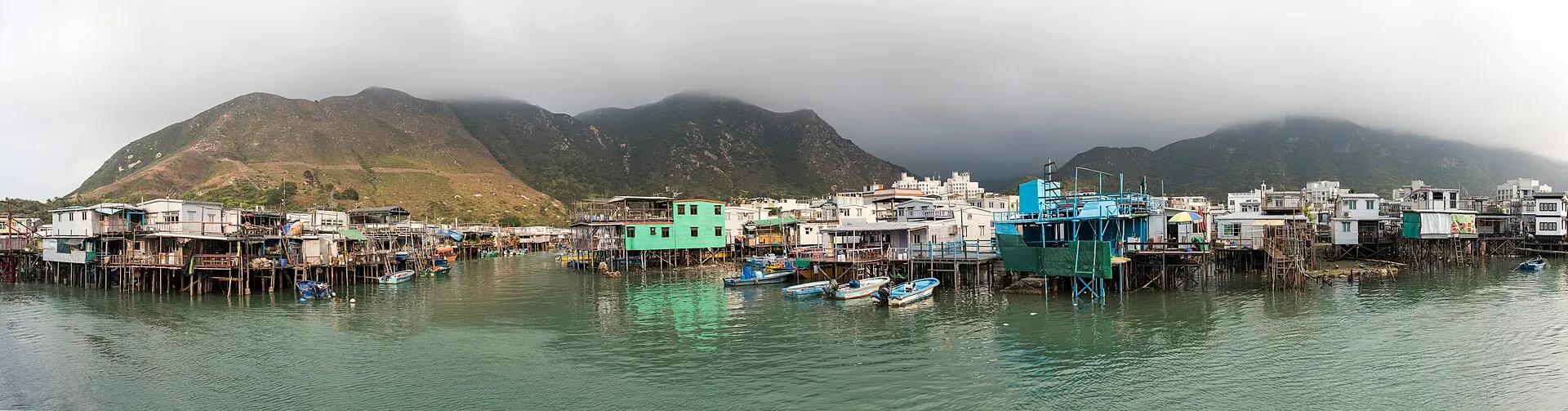
Lantau Island and Tai O Fishing Village
Hong Kong’s largest island: the Big Buddha, the Po Lin Monastery, and Tai O, a stilt-house fishing village where pink dolphins sometimes appear. Day trip.
Wikimedia Commons · CC
Dragon’s Back Hike
The most popular hike in Hong Kong — a ridge walk along the south side of Hong Kong Island with sea views, ending at Big Wave Bay. 2–3 hours, moderate. Bus 9 from Shau Kei Wan.
Wikimedia Commons · CC
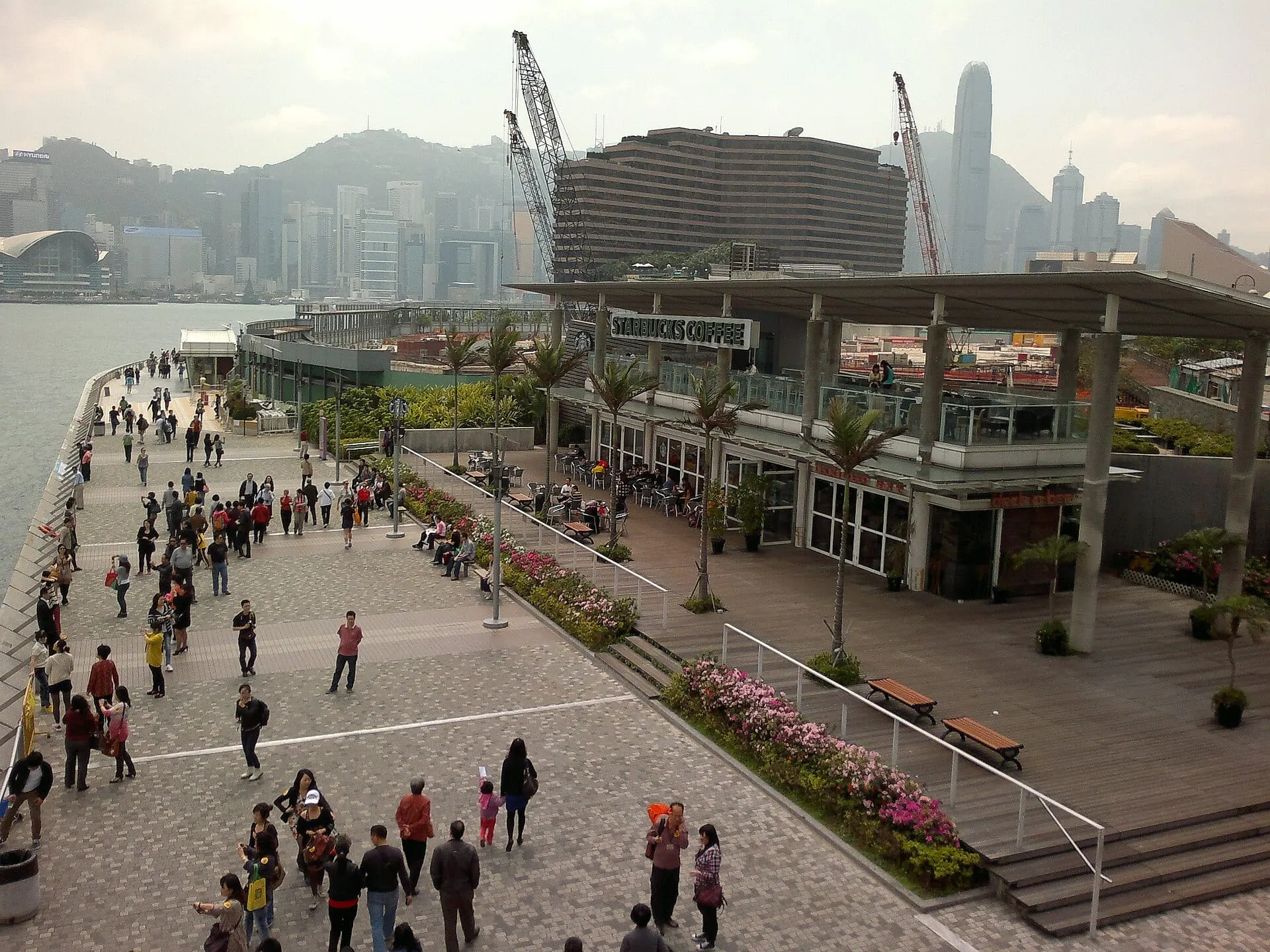
Avenue of Stars and Tsim Sha Tsui Promenade
The Kowloon-side waterfront walk with the best free view of the Hong Kong Island skyline, a Bruce Lee statue, and the nightly 8 pm ‘Symphony of Lights’ show.
Wikimedia Commons · CC
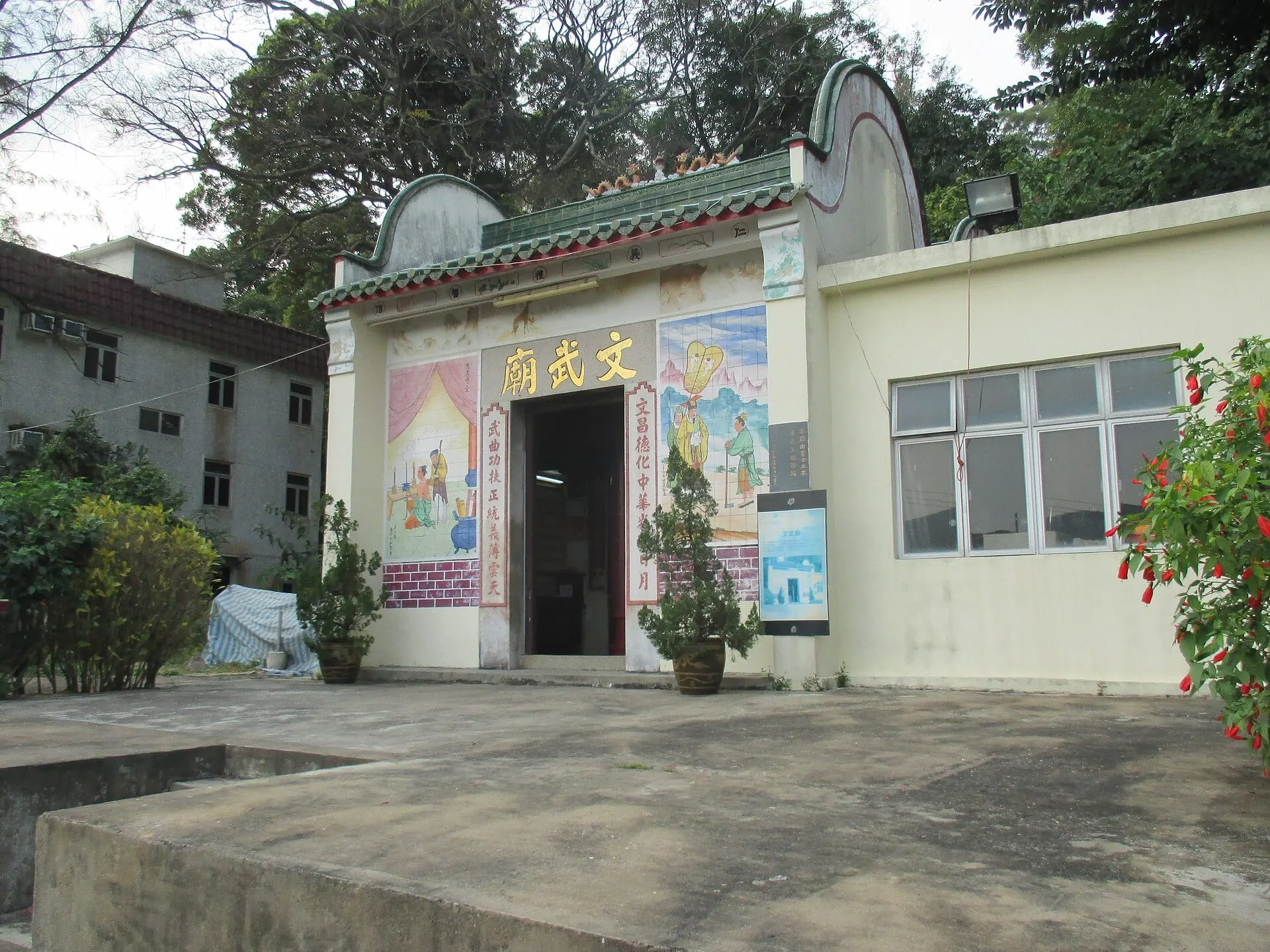
Man Mo Temple
An 1847 Taoist temple in Sheung Wan dedicated to literature and war, hung with giant incense coils. The oldest and most atmospheric temple on Hong Kong Island. Free.
Wikimedia Commons · CC
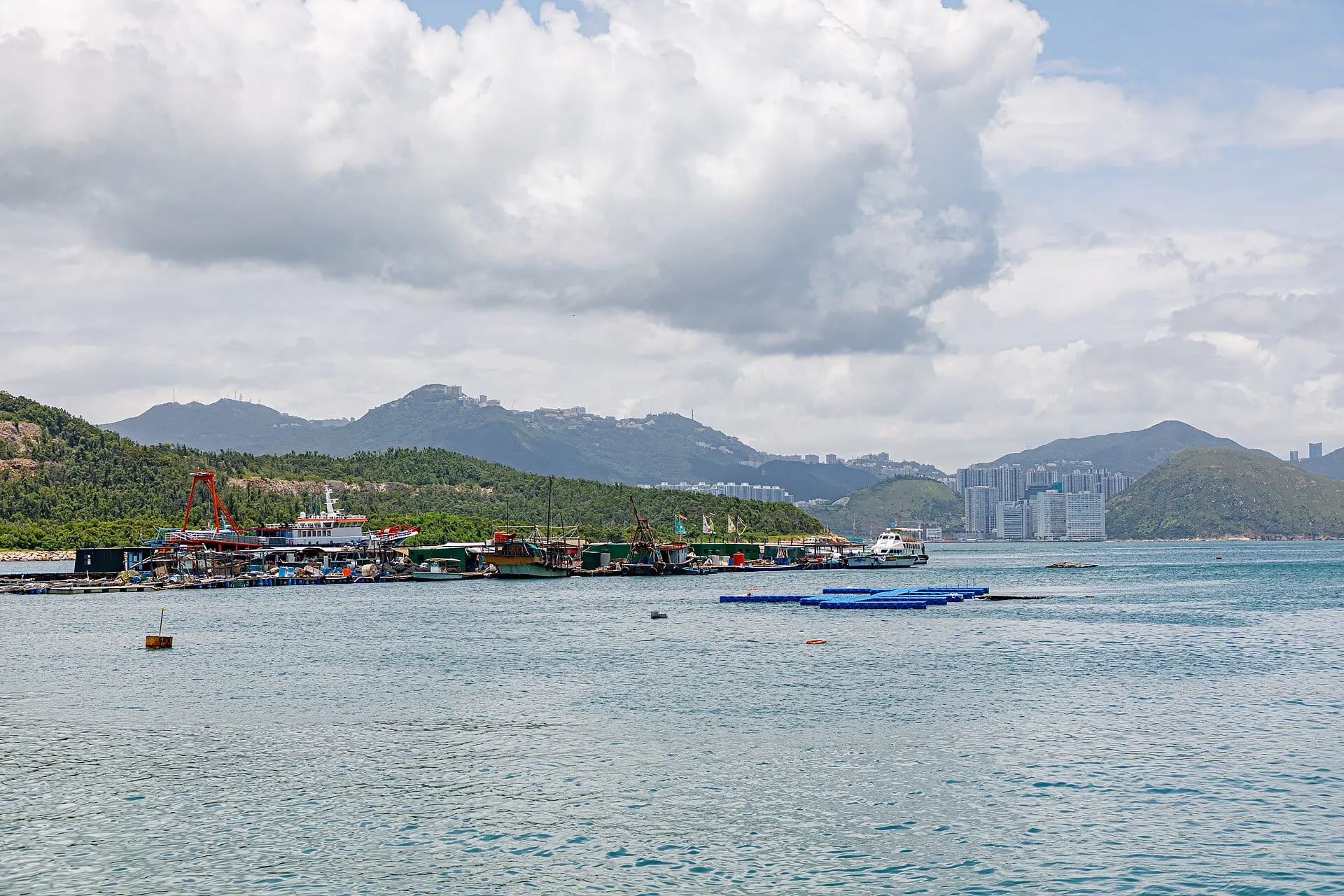
Lamma Island
A car-free island 30 minutes by ferry from Central, known for seafood restaurants at Sok Kwu Wan, a relaxed hippie vibe at Yung Shue Wan, and the easy Family Trail between them. Day trip.
Wikimedia Commons · CC
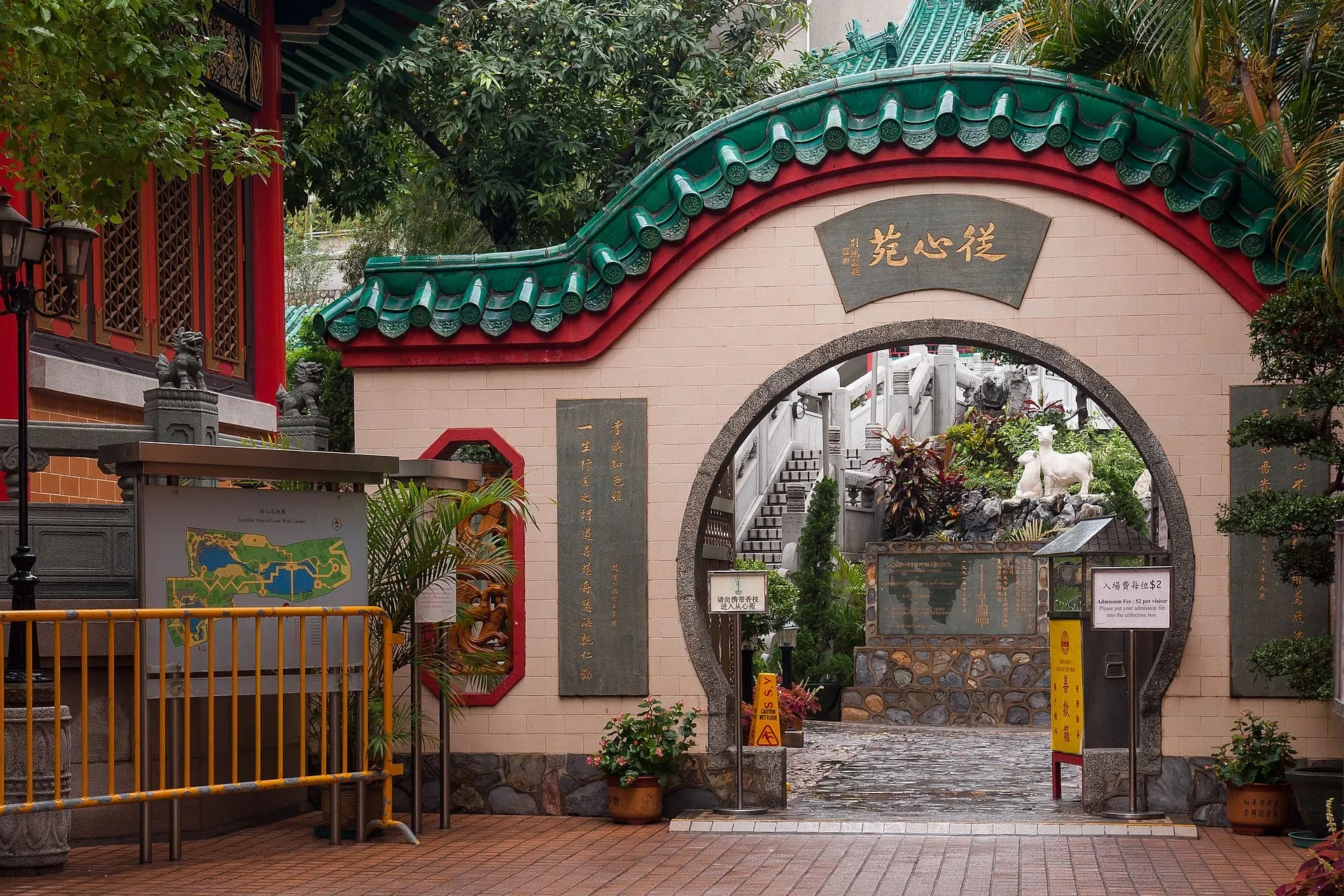
Wong Tai Sin Temple
A vast, colourful temple in Kowloon where locals come to shake bamboo fortune sticks (kau chim). One of the most active and photogenic temples in the city. Wong Tai Sin MTR.
Wikimedia Commons · CC
Frequently asked questions
- ¿Necesito una visa para Hong Kong?
- La mayoría de los titulares de pasaportes occidentales pueden visitar Hong Kong sin visado hasta por 90 días. Es independiente del visado de China continental — un visado de China continental NO es válido para Hong Kong.
- ¿Hong Kong es seguro?
- Muy seguro. Hong Kong es una de las ciudades más seguras de Asia. Los principales riesgos son hurtos menores en mercados concurridos y la calidad del aire en invierno.
- ¿Debo cambiar dinero a dólares de Hong Kong?
- Sí — Hong Kong usa su propia moneda (HKD, dólar de Hong Kong). La mayoría de los cajeros automáticos aceptan Visa/Mastercard. Los bancos y casas de cambio ofrecen mejores tasas que los hoteles. 1 USD ≈ 7.8 HKD.
References
- Hong Kong Tourism Board — Discover Hong Kong
- Hong Kong Immigration Department — Visa Requirements (IMMD)
- MTR Corporation — Subway and Airport Express
- Ngong Ping 360 — Lantau Cable Car
- Wikipedia — Hong Kong
- UK Government — Hong Kong Travel Advice
- TurboJET — Hong Kong to Macau Ferries
- Agriculture, Fisheries and Conservation — Hong Kong Hiking Trails
Related guides & destinations
Guide
China Wheelchair Accessibility Guide 2026: Realistic Expectations
China is improving on accessibility but is far behind the West. Modern airports and 4-star+ hotels are accessible; ancient streets, older me
Guide
China Travel Statistics 2026: Inbound Tourism by the Numbers
132.5 million inbound visitors in 2025, 38+ visa-free countries, $50–$300+ daily budgets, 47,000 km of HSR, and a top-10 Global Peace Index
Itinerary
21-Day Comprehensive China 2026: Beijing, Xi'an, Chengdu, Yunnan, Guilin, Shanghai, Hong Kong
The full three-week China deep-dive. Six regions including Yunnan and Hong Kong. For travelers who want to see everything.