Great Wall Section Comparison 2026: Mutianyu vs Badaling vs Jinshanling vs Jiankou
There are over 20 visitor-accessible sections of the Great Wall within a few hours of Beijing. Here is how to pick the right section for your fitness level, time, and tolerance for crowds.
Last updated:
TL;DR
| Best for first-timers | Mutianyu (well-preserved, less crowded, toboggan slide) |
|---|---|
| Most iconic photo | Badaling (most visited, crowded, classic view) |
| Best wild Wall hike | Jinshanling (5-7 hour hike, restored + unrestored) |
| Most photogenic | Jiankou (steep, rugged, no facilities, requires guide) |
| Time from Beijing | 1.5-3 hours each way depending on section |
| Last updated | 2026-06-10 |
| Last updated |
Which Great Wall section should I visit?
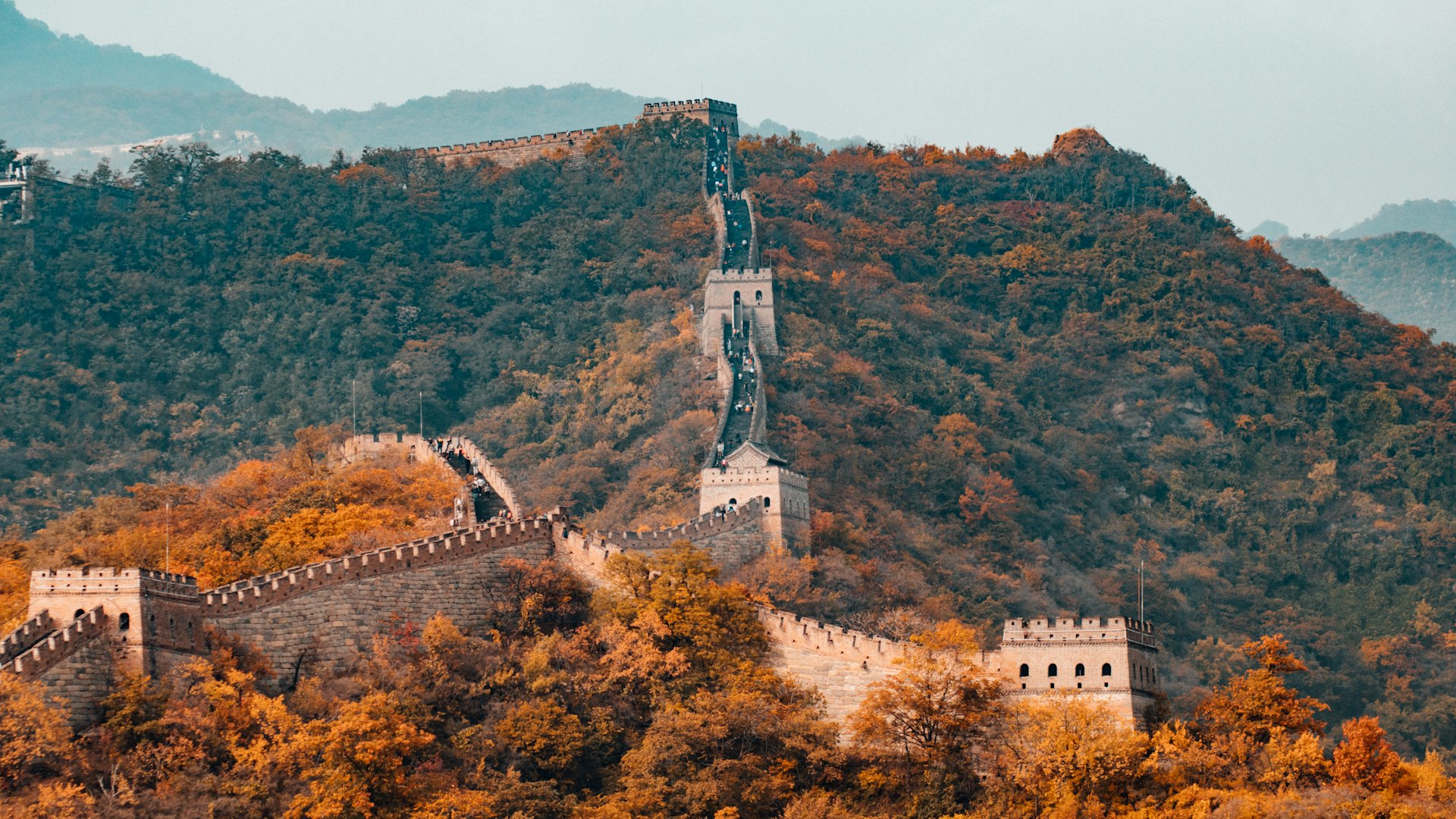
Match the section to your fitness and goals. For a half-day trip with iconic views: Mutianyu (best for most visitors). For the classic photo with minimum effort: Badaling (most crowded but most accessible). For a serious hike on wild Wall: Jinshanling (5-7 hours, restored + unrestored mix). For photographers: Jiankou (steep, photogenic, requires a guide and good fitness). For something different: Huanghuacheng (Wall meets water, less visited). For adventure travelers with a guide: Gubeikou (full-day, no facilities).
What is the difference between restored and unrestored Wall?
Restored sections (Mutianyu, Badaling, Jinshanling start) have paved walkways, handrails, restored watchtowers, and are safe for general tourists. Unrestored sections (Jiankou, Gubeikou, parts of Jinshanling) have crumbling bricks, vegetation, and steep gradients — they are photogenic but require sturdy shoes, water, and a guide. The Wall itself runs over 21,000 km; only a small fraction is restored and accessible.
How do I get to each section from Beijing?
Mutianyu: 1.5-2 hours by car/tour bus; direct tourist buses from Dongzhimen (¥80-120 round-trip). Badaling: 1 hour by train (S2 line from Beijing North) or tourist bus; most crowded. Jinshanling: 2.5 hours by car; tourist buses available but limited. Jiankou: 2 hours by car; no public transport — must hire a driver or join a tour. Most travelers book a half-day or full-day tour (USD $50-150 per person including transport, guide, and tickets).
What is the best time of day to visit the Great Wall?
Early morning (8-10 AM) is best — fewer crowds, soft light for photos, cooler temperatures. The Wall at sunrise (Mutianyu opens at 8 AM) is magical. Late afternoon (3-5 PM) is also good for photos, with golden light. Avoid weekends and Chinese holidays (Golden Week, Labor Day) entirely — Mutianyu and Badaling become unbearably crowded. Weekday mornings are 60-80% less crowded than weekends.
What should I bring to the Great Wall?
Sturdy hiking shoes (mandatory — even restored sections have uneven stones), 2-3 liters of water per person, sunscreen and a hat (limited shade), snacks (limited food vendors on Wall itself), a light jacket (wind on towers can be 10°C cooler than the valley), phone/camera with full battery, and a small backpack. Avoid bringing large bags — they are exhausting to carry up the stairs. Most tours provide bottled water.
Frequently asked questions
- Can I climb the Wall without a guide?
- Yes — at restored sections (Mutianyu, Badaling, Jinshanling). At unrestored sections (Jiankou, Gubeikou), a guide is mandatory for safety and route-finding. Even at Jinshanling, a guide is recommended for the unrestored portion.
- How much does it cost to visit the Great Wall?
- Mutianyu: ¥45 entry + ¥100-180 round-trip cable car/toboggan. Badaling: ¥40 entry (cable car ¥80-140). Jinshanling: ¥65 entry. Tours cost USD $50-150 per person including transport.
- Is the Wall accessible for elderly or disabled visitors?
- Mutianyu and Badaling have cable cars and accessible paths. Jinshanling, Jiankou, and other wild sections involve significant stair climbing and are not suitable for mobility-limited visitors. The Great Wall at Mutianyu has a wheelchair-accessible viewing platform via cable car.
- Can I visit the Wall in winter?
- Yes — Badaling and Mutianyu remain open year-round. Winter brings snow (beautiful but cold), fewer crowds, and occasional ice on stairs. Bring warm clothing and grippy shoes. Some sections close due to ice — check before going.
- Are there overnight tours to the Great Wall?
- Yes — wild Wall camping tours exist for Gubeikou and Jiankou, but require proper gear and experienced guides. For most travelers, a half-day or full-day tour from Beijing is more practical.
References
Related guides & destinations
Guide
China Visa Guide 2026: 30-Day Visa-Free, 240-Hour Transit, and Full Visas
38+ countries can visit China visa-free for 30 days in 2026. 55+ more can use 240-hour transit. Everyone else needs a tourist (L) visa. Here
Guide
Is China Safe to Visit in 2026? A Realistic Safety Guide for Tourists
Yes — China is one of the safest countries in the world for tourists in 2026, with very low violent crime. The main risks are petty scams at
Guide
Best Time to Visit China 2026: Month-by-Month Weather, Crowds, and Prices
The best time to visit most of China is April–May and September–October. Winter (Dec–Feb) is cold but cheap; summer (Jun–Aug) is hot and cro
Guide
Alipay for Foreigners 2026: Setup Guide, Limits, and WeChat Pay Compared
Foreigners can now use Alipay and WeChat Pay with an international Visa/Mastercard. Setup takes 10 minutes before arrival. Daily limits are
Guide
China High-Speed Rail for Foreigners 2026: Booking, Stations, and Seat Classes
China has the world's largest HSR network — 45,000+ km covering every major city. Foreigners can book online via Trip.com, 12306 (with passp
Guide
China Trip Cost 2026: Realistic Daily Budgets for Backpacker, Mid-Range, and Luxury
A 7-day China trip costs $700–$1,500 per person mid-range (Beijing + Shanghai), $400–$700 backpacker, and $3,000+ luxury. Flights and visa a